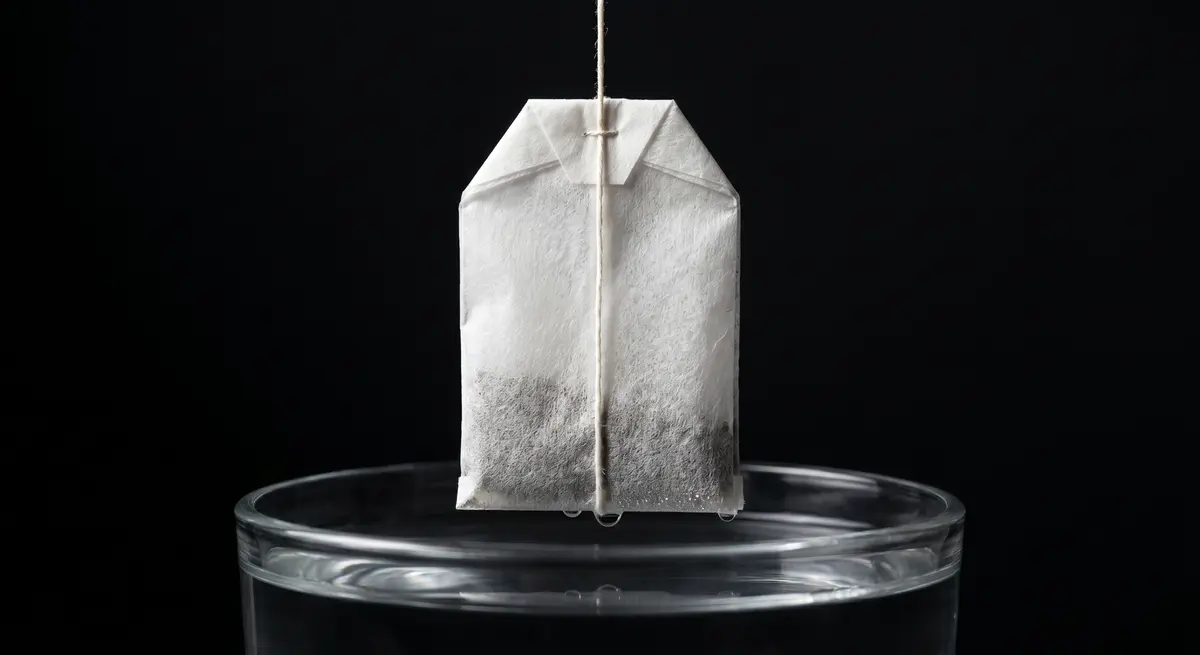
Paper bags
Green
Ito En Oi Ocha Green Tea Bags (40 ct)
A portioned green tea for the mug, not the bottle.
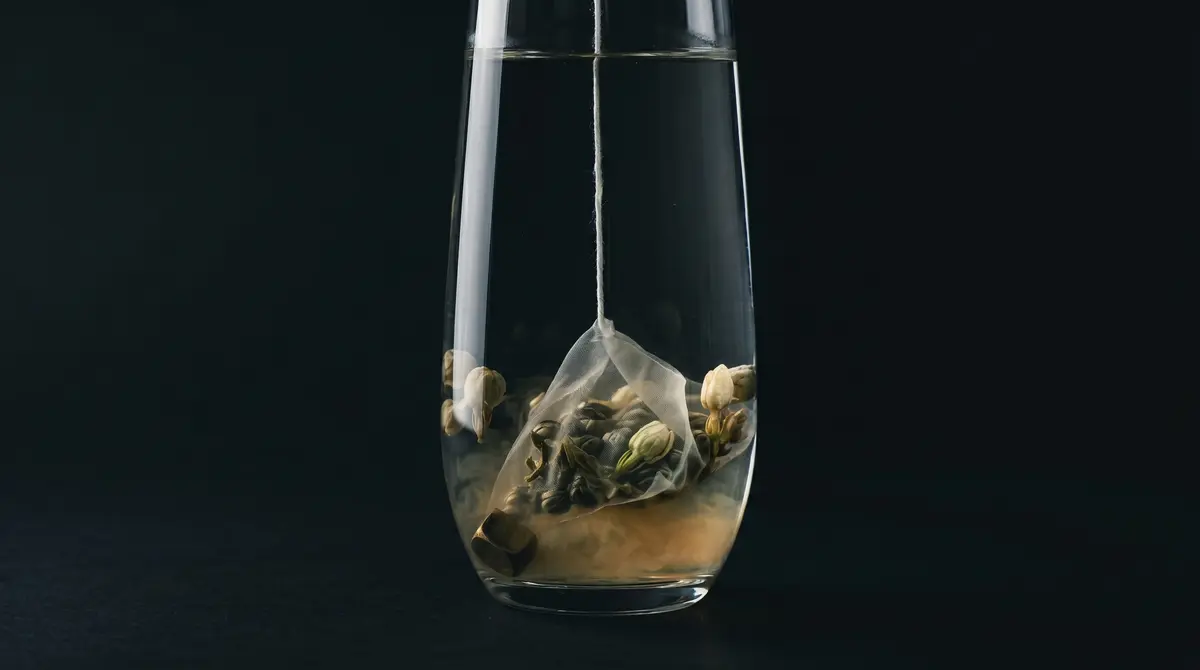
Leaf vs leaf
Green is one clean note. Oolong keeps changing.
The short version
Oolong sits between green and black: partly oxidized, so it can taste like either end of the range depending on how far the maker took it. Green stays in one lane, fresh and vegetal. Oolong is the one to buy if you like a tea that moves through several steeps and tastes different at the end than at the start.
Side by side
What it is
Camellia sinensis
Camellia sinensis
How it is made
Heated early to stop oxidation, then dried
Partly oxidized, bruised, rolled or twisted
In the cup
Grassy, vegetal, sweet or toasty by origin
Floral and creamy through to roasted and mineral
Body
Light to medium
Medium
Caffeine
Contains caffeine; amount varies by product and brew
Contains caffeine; amount varies by product and brew
Water
175°F
195°F
Steep
2-3 min
3-5 min
Re-steeping
A second steep usually holds up
Built for several steeps
The straight answer
Green and oolong both come from Camellia sinensis. Green tea is heated early to stop oxidation. Oolong is allowed to oxidize part of the way, then fired to stop it. How far the maker goes decides whether an oolong tastes closer to green or closer to black.
That is why oolong is hard to describe in one line. A lightly oxidized, rolled oolong is floral and fresh. A heavily oxidized, roasted one is toasted and deeper.
Why it is different
01
Heat is applied soon after picking, so the leaf stays green and the flavour stays fresh and vegetal.
02
The leaf is shaken or tossed to bruise its edges, then rested so oxidation proceeds only partway.
03
Makers roll or twist the leaf into strips or balls and fire it to halt oxidation. Some styles are roasted afterwards.
At the table
Green tea is usually one clean cup, sometimes a second. Oolong is the leaf to buy if you want to pour again and again: the same handful can change character from one steep to the next.
Oolong generally takes hotter water than green. Check the product for its own range, and use the gongfu guide if you want to brew it in short repeated rounds.
Before you buy
Start with green if you want a straightforward cup in a few minutes. Start with oolong if you want a leaf you can keep returning to through an afternoon.
Choose
You want a fresh, straightforward cup and a short steep.
You want one handful of leaf to give you several different cups.
From the catalog
A portioned green tea for the mug, not the bottle.
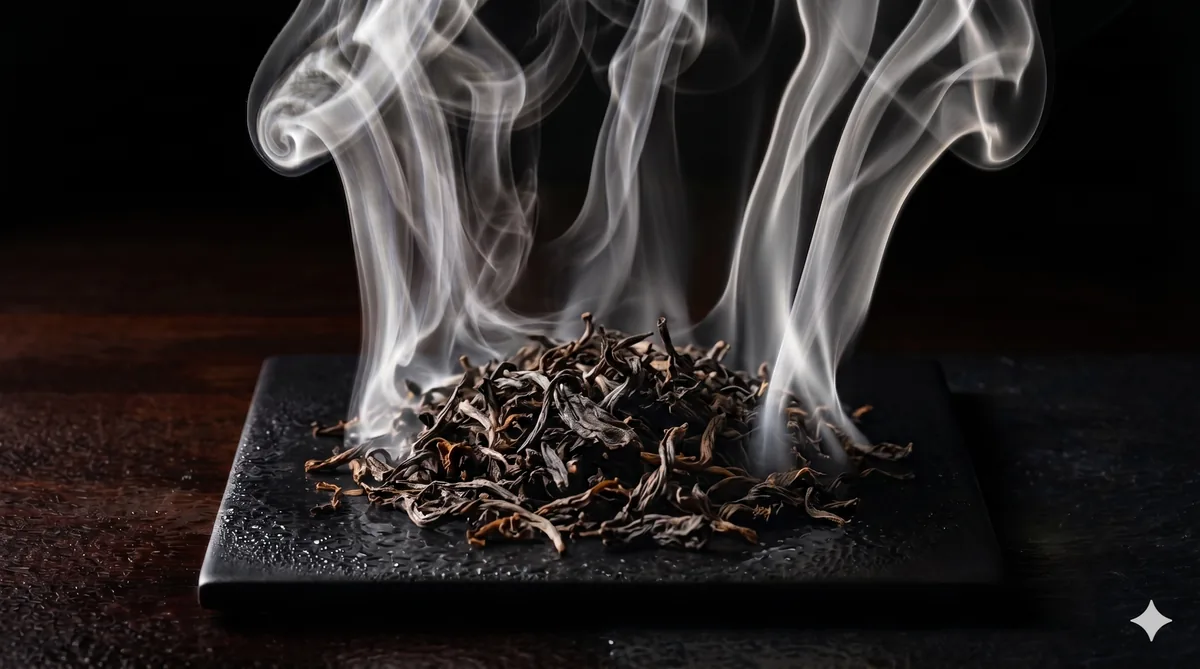
Pan-fired flat. Toasted, sweet, no grass. The Chinese standard.
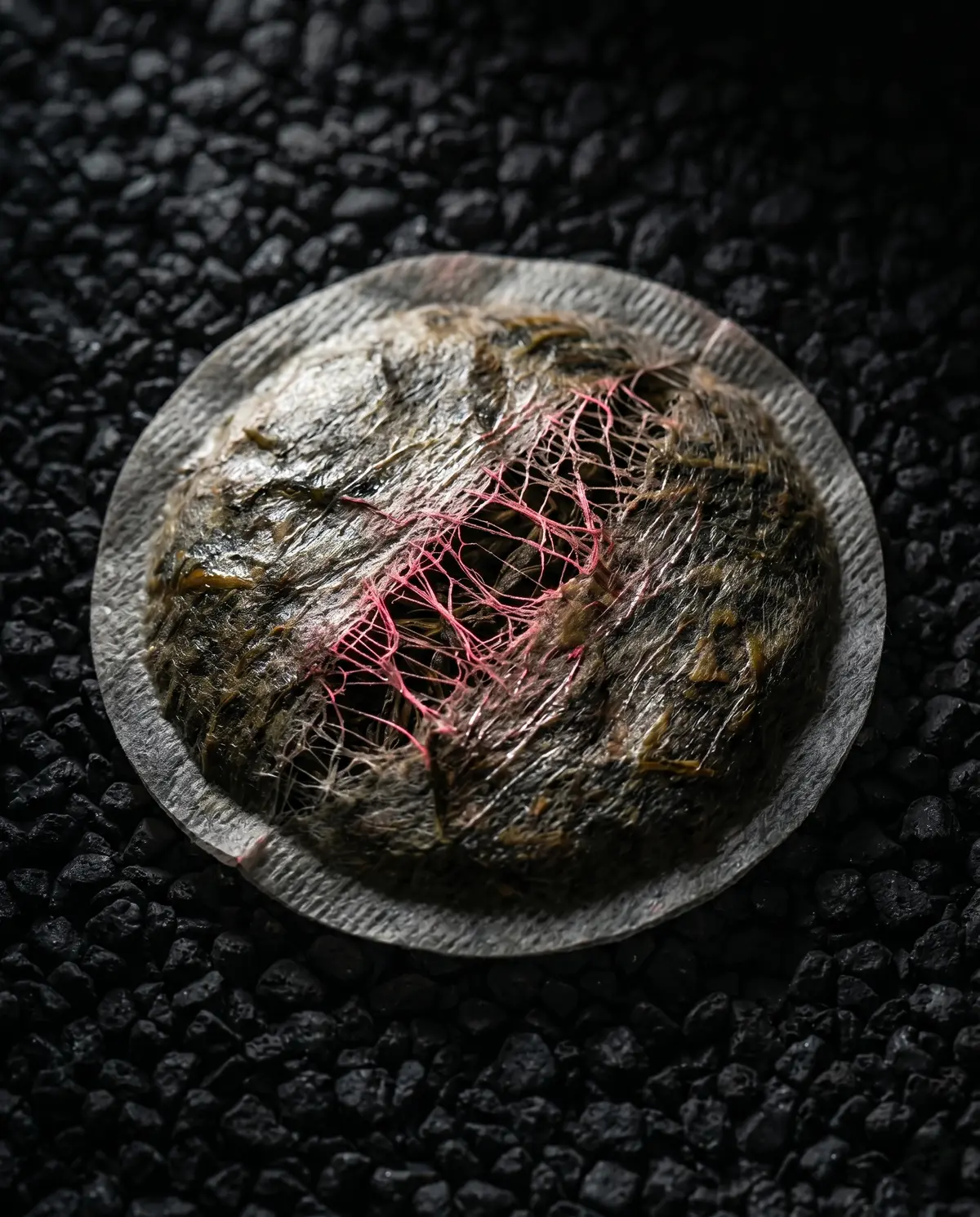
Re-steep it three times. Each one tells a different story.
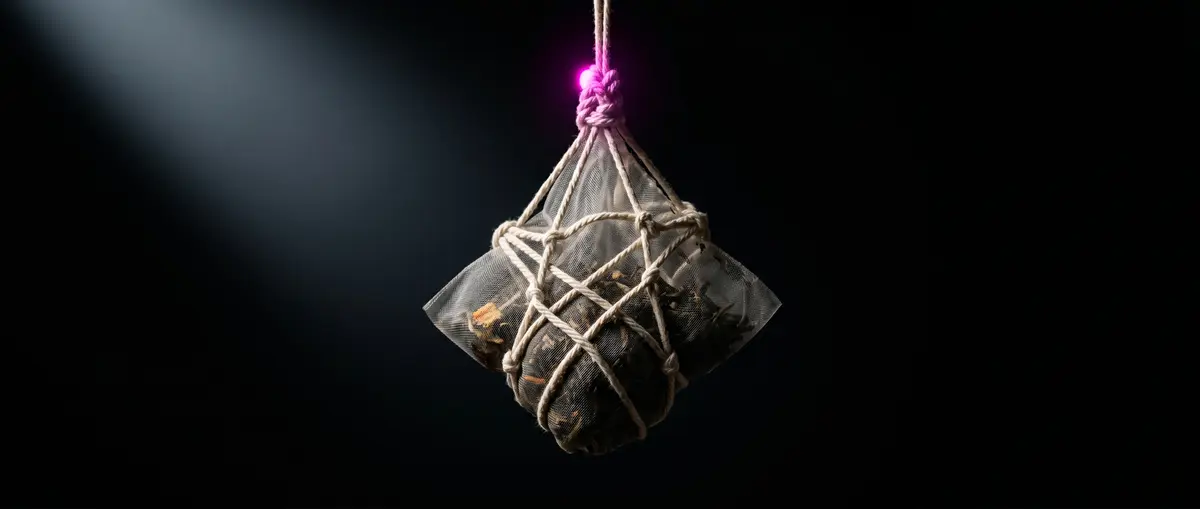
Orchid on the first steep. Biscuit on the third. Five-plus rounds if you respect it.
Brew both
FAQ
Both green and oolong contain caffeine. Neither style has a reliable fixed rank: product, serving size and brewing change the amount. Check the specific product if the dose matters.
Green is brewed at 175°F for 2-3 min. Oolong is brewed at 195°F for 3-5 min.
It depends on the oolong. Lightly oxidized, rolled oolongs lean green: floral and fresh. Heavily oxidized and roasted ones lean black: deeper, toasted and fuller. Check how the maker describes the oxidation before buying.
Oolong often tastes rounder and fuller, but that is not a caffeine measure. Both contain caffeine, and the amount depends on the leaf, the serving and the brew. We do not give a fixed number for either.
Usually not. Green tea wants cooler water than most oolongs. The catalog lists a temperature and steep window for each product, so use the one on the review you are brewing from.
It depends on the tea and your ratio. Oolong is built for several steeps, and many drinkers brew it gongfu style with more leaf and short infusions. See the gongfu guide for how we time them.