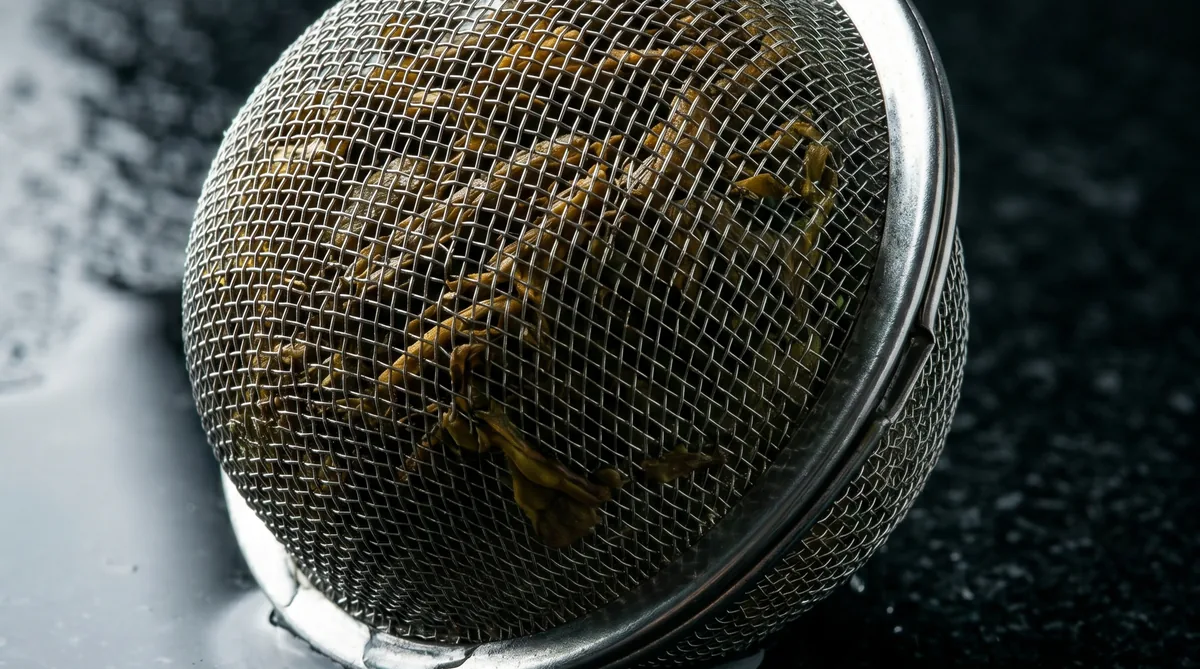
Brewing / Green
Not boiling. Never boiling.
Green tea is the unoxidized leaf: the wet, vegetal one. Treat it like spinach. The difference between 175°F and 200°F is the difference between sweet and burnt.
The premise
Green tea skips oxidation entirely. The leaves are pan-fired or steamed within hours of plucking to lock in the chlorophyll and the amino acids, the source of the sweetness, the umami, the grassy snap. All of that gets cooked out by water above 185°F. Bitter cup, every time. The fix is the same fix every time: drop the temperature. Atemperature-controlled kettle earns its keep here more than anywhere else in tea.
Japanese
175°F
Chinese
180°F
Time
2–3 min
Re-steeps
2–3
The timer
Set it, then walk away.
Style
Steep 1
2:00
Ready.
- Water
- 175°F / 79°C
- Leaf
- 1 tsp / 8oz
Two minutes, then thirty seconds more on each re-steep.
Open it full screen, or keep it on your phone: the steep timer works offline.
By style
Japanese is steamed. Chinese is fired. Brew them differently.
Sencha & gyokuro: 160–175°F, 1 minute.The steamed Japanese greens. Bright, marine, intensely umami when they hit the right temperature. Ashaded gyokuro wants 140°F and ninety seconds, almost a cold brew. Asencha bag wants 175 flat, one minute, no more.
Dragonwell & jade cloud: 180°F, 2 minutes.Pan-fired Chinese greens. Nuttier, sweeter, more forgiving than the Japanese side. A Longjing orJade Cloud takes a slightly hotter pour and a slightly longer steep without complaining.
Gunpowder: 185°F, 3 minutes. Tightly rolled pellets. They need extra heat and time to unfurl. Agunpowder greenbrewed at 175 will read flat and grassy. Push the temperature.
Jasmine pearls & floral greens: 180°F, 2 to 3 minutes. The scenting blooms in the second half of the brew. Ajasmine dragon pearl brewed under two minutes gives only the base green. Let it open.
Hojicha & genmaicha: 195°F, 3 minutes.The roasted and toasted greens are honorary blacks for brewing purposes. Akuradashi hojicha or agenmaichahandles a near-boil: the roast has already neutralized the bitterness.
The sequence
Boil it, then walk away from the kettle.
- 01.Get to 175°F. Variable kettle: dial it in and walk off. Standard kettle: boil, then wait two and a half minutes off the heat. The water should be steaming but not roiling. If you can see surface motion, it's still too hot.
- 02.Pre-warm the vessel. Splash some of the heated water into thegaiwan orglass teapot. Cold ceramic at 175°F drops fast.
- 03.Leaf, then a slow pour. 1 teaspoon per 8oz. Pour the water onto the side of the vessel, not directly onto the leaf: direct impact bruises sencha needles and turns the first steep grassy.
- 04.Cover. Time it. Two minutes for Japanese, three for Chinese. A green tea past three minutes is no longer green tea, it's astringent vegetable broth. The window is short and unforgiving.
- 05.Decant fully and re-steep. A quality loose-leaf green will give two more cups. Second steep: add thirty seconds. Third steep: add another thirty. The second infusion is often the best of the three.
What goes wrong
Bitter, drying, astringent. Water was too hot. Almost always. The kettle clicked off and you poured immediately. Wait the two and a half minutes, set a timer if you have to.
Cup tastes like seaweed. Brewed too long. A Japanese green at four minutes goes oceanic. Pull it at two.
Flat, no flavour. Old leaf, or water that was too cool. Greens go stale faster than any other tea. Six months from the harvest date is the window. Check the tin.
Cloudy cup. Normal for fine-particle Japanese greens, that's chlorophyll suspended in the brew. Drink it; it's the umami carrier.
Storage matters more than you think
Green tea is the most fragile tea on the shelf. Light, air, heat, and humidity all turn it yellow and hay-like within months. Buy in small quantities. Store in an opaque, airtight tin away from the stove. Thestorage guide goes deeper, but the summary for green tea is: 30g at a time, finish in three months.
House note
You're not boiling green tea, you're warming the water enough that the leaf opens but doesn't scream. Two and a half minutes off the kettle. Then the pour.