Powders
Matcha
Jade Leaf Ceremonial Grade Matcha Powder (100g Tin)
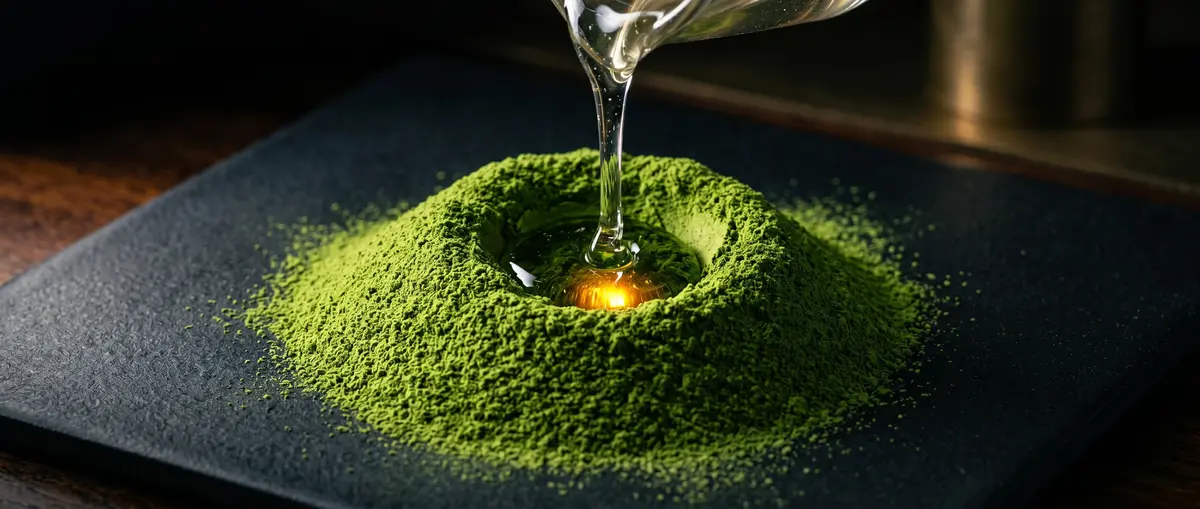
100g of matcha. Water. Whisk.
Leaf vs leaf
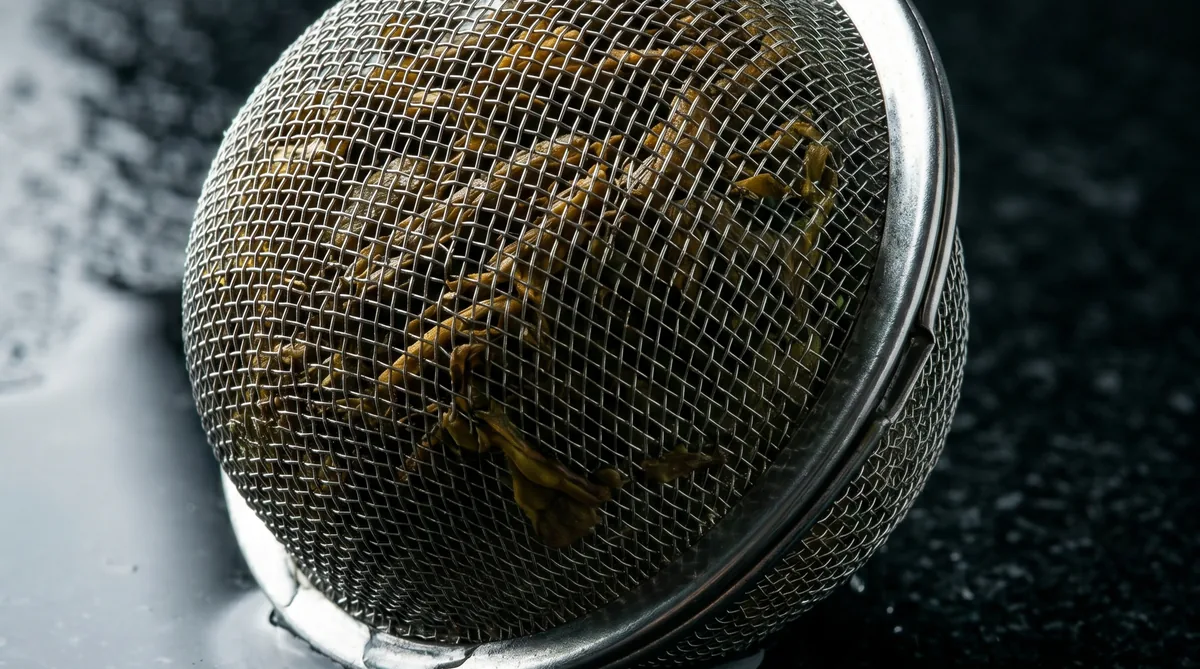
Green tea is steeped and strained. Matcha is swallowed whole.
The short version
Matcha is a kind of green tea, shade-grown and ground to a fine powder. You whisk it into water and drink the leaf itself, where ordinary green tea is steeped and the leaf is removed. That is why matcha is stronger and richer, and why it needs a whisk and a bowl rather than an infuser.
Side by side
What it is
Camellia sinensis
Camellia sinensis
How it is made
Shade-grown leaf, stone-ground to a powder
Heated early to stop oxidation, then dried
In the cup
Vivid, savory-sweet, umami with some bitterness
Grassy, vegetal, sweet or toasty by origin
Body
Full (you drink the leaf)
Light to medium
Caffeine
Contains caffeine; amount varies by product and brew
Contains caffeine; amount varies by product and brew
Water
175°F
175°F
Steep
20s whisk
2-3 min
Re-steeping
None; the leaf is in the cup
A second steep usually holds up
The straight answer
Matcha and the green tea in a bag come from the same plant, Camellia sinensis, and both are made without oxidizing the leaf. Matcha is a green tea made by a particular route, not a different drink.
The differences are in how the leaf is grown, how it is finished, and what ends up in your cup. One is a leaf you remove. The other is a leaf you drink.
Why it is different
01
Matcha leaf is traditionally grown under cover in the weeks before harvest. Most everyday green tea grows in the open. (Gyokuro is shaded too, but it is still steeped and strained.)
02
The harvested leaf is steamed to stop oxidation, then dried without rolling. Japanese makers call the result tencha.
03
Stems and veins are removed from the dried leaf, which leaves the soft part of the leaf for milling.
04
Tencha is ground to a fine powder, traditionally between stone mills. The powder is what gets sold as matcha.
At the table
Green tea needs hot water, a few minutes and something to catch the leaf. Matcha needs a bowl and a whisk: the powder suspends in the water and you drink all of it. That is why it tastes fuller and a little savory, and why the amount you use matters. Our matcha guide starts at 2g of powder in about 70ml of 175°F water.
Because the whole leaf goes into the cup, a serving of matcha can carry more caffeine than a steeped cup. That is a tendency, not a rule: powder amount and the tea you compare it with both change the result.
Before you buy
The ingredients line should name one thing: green tea, or matcha. "Green tea powder" is a wider term and does not by itself tell you the leaf was shaded and stone-milled, so look for the maker saying how it was made.
Ceremonial and culinary are the maker's own words, not a standard we can point to. Read them as a hint about intended use. Aiya describes its reviewed bag for milk drinks and baking. Jade Leaf describes its Teahouse Edition for water or milk, though we have not confirmed that our reviewed Amazon tin is that edition. Check the exact powder's directions.
Choose
You want a concentrated, savory bowl or a matcha latte, and you own a whisk.
You want an everyday cup with no special tools.
From the catalog
100g of matcha. Water. Whisk.
One bamboo whisk. One scoop. No bulk pack.
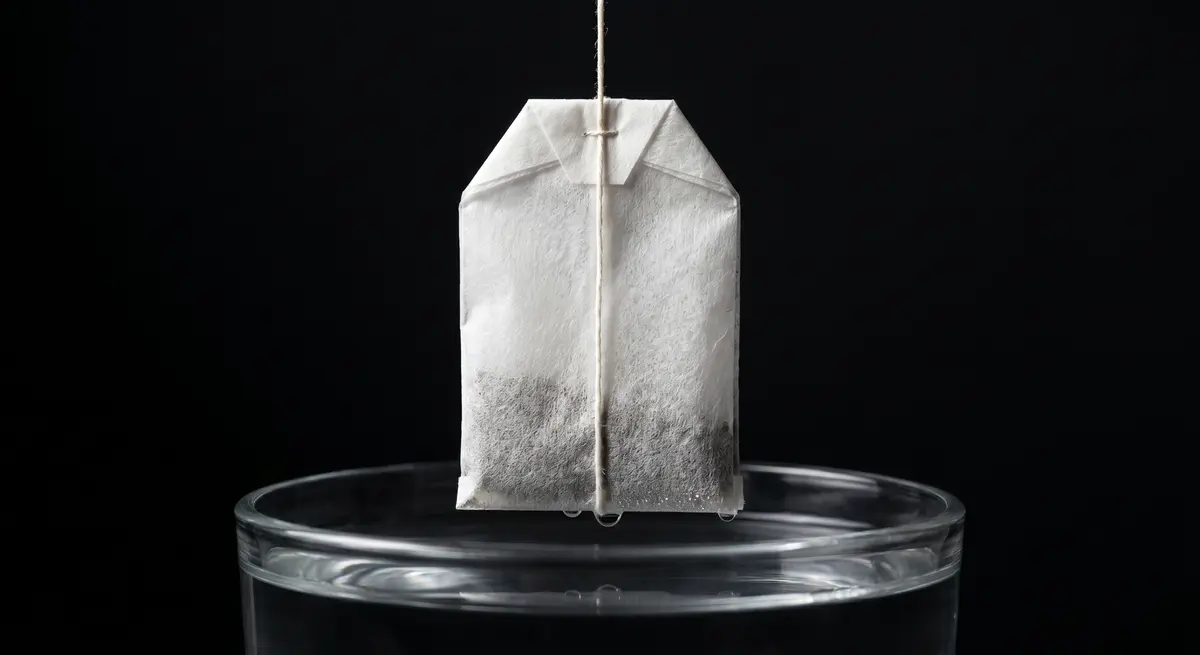
A portioned green tea for the mug, not the bottle.
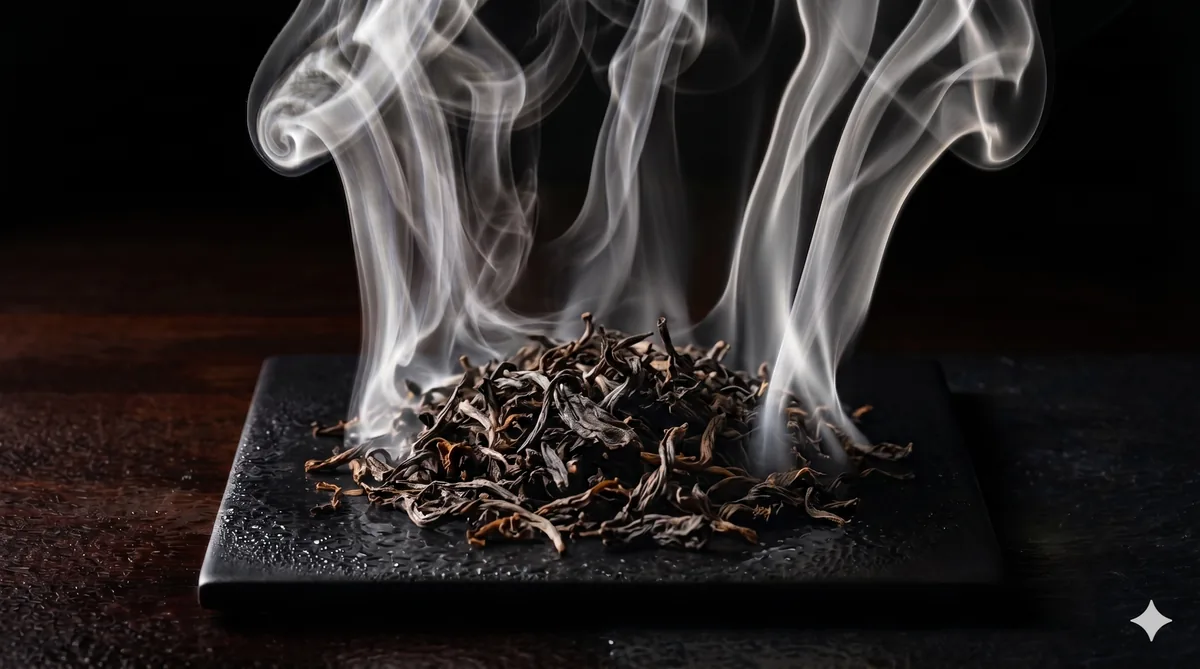
Pan-fired flat. Toasted, sweet, no grass. The Chinese standard.
Brew both
FAQ
Both matcha and green contain caffeine. Neither style has a reliable fixed rank: product, serving size and brewing change the amount. Check the specific product if the dose matters.
Both are brewed at 175°F in our guides. Matcha takes 20s whisk; green takes 2-3 min.
Matcha is whisked whole leaf rather than a strained infusion, so a serving can carry more caffeine. It is not guaranteed: the amount of powder, the leaf and the brewed green tea being compared all matter.
Not quite. Matcha is made from shaded leaf that is steamed, dried flat, de-stemmed and milled. Grinding an ordinary green tea leaf gives a powder, but not necessarily matcha. Check that the maker says how the powder was made.
They are maker labels, so check each powder's directions. Ippodo gives water-only and latte methods for Sayaka, while Aiya describes its reviewed culinary bag for lattes and baking. Jade Leaf suggests water or milk for its Teahouse Edition ceremonial matcha; our reviewed Amazon tin's edition is unconfirmed.
You can put powder in hot water, but it is made to be whisked so it stays suspended and you drink the leaf. Steeping and straining throws away what makes matcha matcha. Use a whisk and a wide bowl.