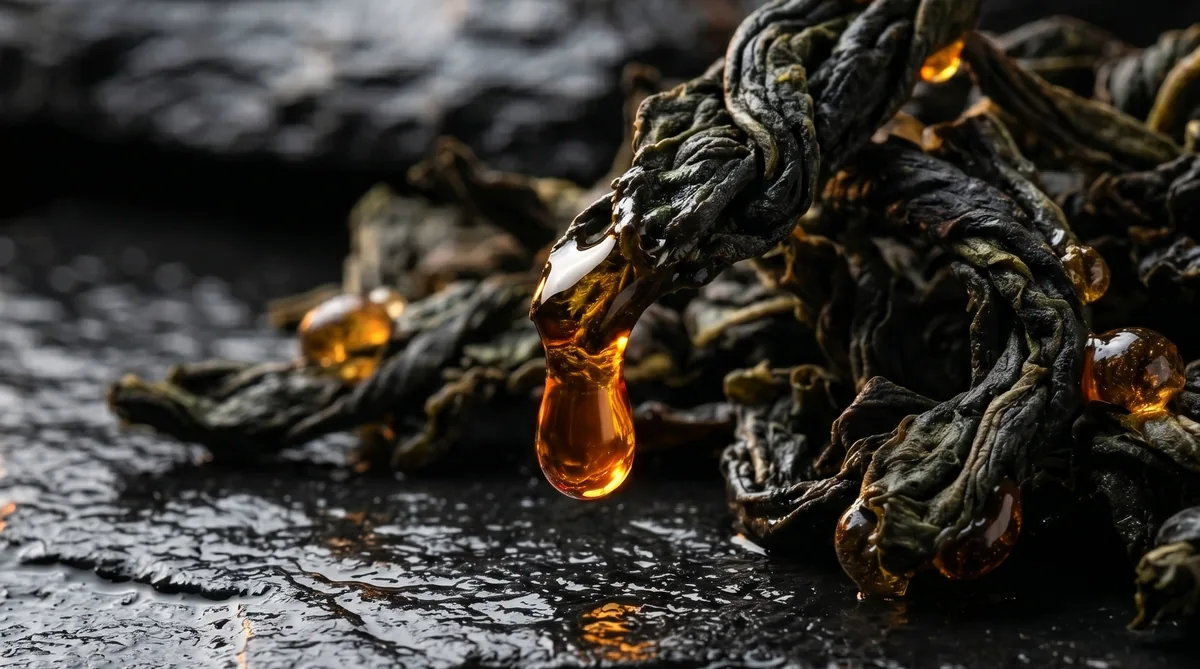
Brewing / Oolong
Half-oxidized. Many-infused.
The middle of the spectrum. Floral on the first cup, fruity on the third, mineral on the sixth. One leaf, six different teas, if you don't drown it in one long brew.
The premise
Oolong sits between green and black, partially oxidized, anywhere from 15% (almost green) to 80% (almost black). That range is also why "how do I brew oolong" has no single answer. ATi Kuan Yin at 20% oxidation brews almost like a green. ADa Hong Pao at 70% roast brews almost like a black. Read the bag. The good news: every oolong rewards re-steeping more than any other tea on the shelf.
Light
185–195°F
Dark
205–212°F
Gongfu leaf
5–7g
Re-steeps
6–10
The timer
Every pour, counted.
Style
Rinse
0:05
Ready.
- Water
- 195°F / 91°C
- Leaf
- 5–7g / 120ml
Rinse, then each infusion a little longer than the last. Rolled oolongs run ten deep.
Open it full screen, or keep it on your phone: the steep timer works offline.
By style
Rolled, twisted, or rock: pick a temperature.
Ti Kuan Yin & Iron Goddess: 185°F.Tightly rolled, light oxidation. Floral, orchid-and-lilac, slightly creamy. ATi Kuan Yin over-brewed goes flat. Short steeps are the whole game.
Milk Oolong (Jin Xuan): 185°F. A naturally buttery cultivar from Taiwan. AJin Xuan has no actual dairy, the milkiness is the leaf. Brew it cool and short or the texture vanishes.
Alishan high-mountain: 195°F. Grown above 1000m, slow-oxidized. Lighter and creamier than mainland Chinese oolongs. AnAlishangives a clear, almost sweet first cup and a thicker second.
Da Hong Pao & Wuyi rock: 212°F. Heavily oxidized and charcoal-roasted. The Wuyi rock oolongs want boiling water. ADa Hong Pao reads of caramel, dark fruit, and wet stone. Push the temperature, push the steep.
The gongfu method
Lots of leaf. Little water. Short steeps.
Oolong is the tea thegongfu cha method was practically invented for. The technique, a smallporcelain gaiwan, a generous pile of leaf, repeated short pours, is what lets the half-oxidation tell its whole story across six or eight cups.
- 01.5–7g of leaf in a 120ml gaiwan. Fill the gaiwan about a third with dry rolled leaf, or a quarter for twisted strip-style. The leaf will expand to fill the vessel by steep three.
- 02.Quick rinse: 5 seconds. Pour hot water, cover, immediately decant. Don't drink it. The rinse opens rolled leaves and warms the gaiwan. Optional for Wuyi rocks; mandatory for tightly-rolled Ti Kuan Yin.
- 03.Steep one: 30 seconds. Pour, cover, count to thirty. Decant completely into a small pitcher and from there into thimble cups. The first cup is the lightest, most floral expression of the leaf.
- 04.Steeps two through six: add 10–15 seconds each. Two: 40 seconds. Three: 55 seconds. Four: 70. Five: 90. Six: 2 minutes. Each cup deepens: the orchid notes recede, the fruit and the mineral come up.
- 05.Steeps seven onward: let it stretch.Two minutes, three, four. Quality rolled oolongs sustain ten infusions. Wuyi rocks can run twelve. The cup goes quiet and sweet in the late infusions, the resting cup of the session.
Western method (if you're not gongfu-ing it)
1 heaping teaspoon per 8oz, 195°F for light oolongs and boiling for dark, 3 to 5 minutes for the first steep. Re-steep at least once: even Western-brewed oolong gives a second cup with another two minutes added. AFORLIFE stump teapot with a wide basket is the right Western vessel; narrow tea balls strangle rolled oolongs before they can open.
What goes wrong
First cup is thin, second is bitter. The leaf hadn't opened by steep one. Use a quick 5-second rinse before the first real infusion, especially for rolled styles like Ti Kuan Yin.
Astringent and harsh. Too much leaf for the vessel, or steeps got long too fast. Pull back to 5g in the 120ml gaiwan, add only ten seconds per round.
Roasted oolong tastes burnt. Either the roast was heavy and the cake is fresh (let it rest a few months, the char mellows) or the temperature was below 200°F. Wuyi rocks need a full boil.
Only got two good infusions. Steep times were too long. Western-brewed oolong burns through its window. Switch to gongfu: same leaf gives six cups.
House note
A black tea wants three minutes and an answer. An oolong wants thirty seconds and a conversation. Pour, pour, pour. The leaf says something different every time.