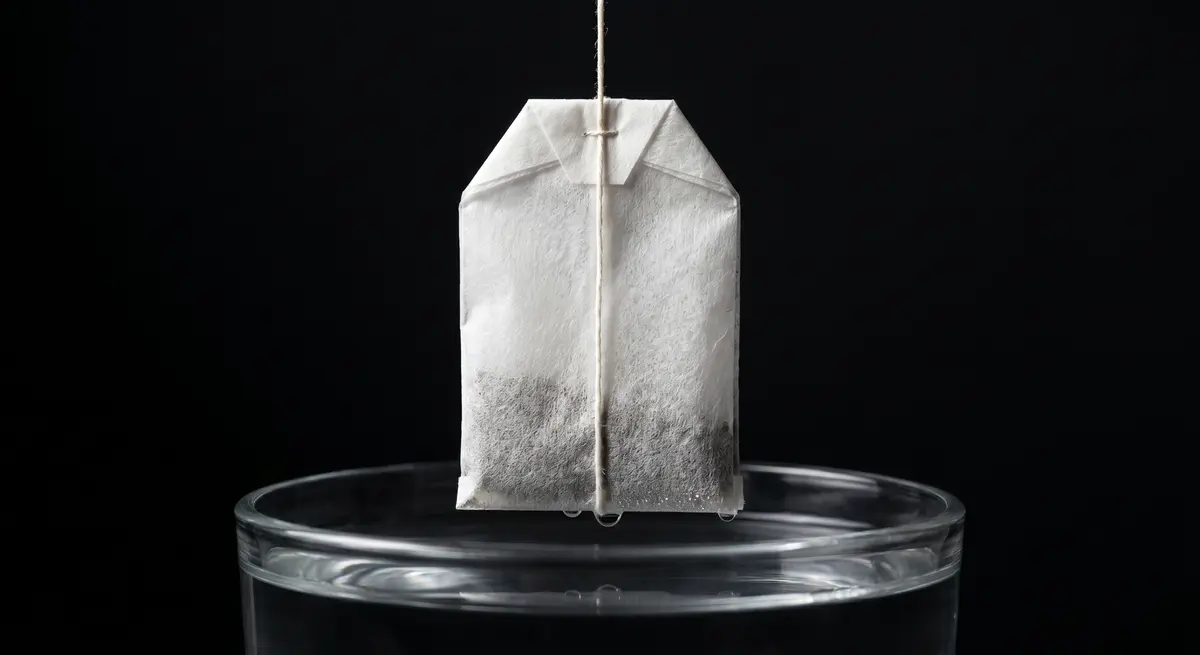
Paper bags
Green
Ito En Oi Ocha Green Tea Bags (40 ct)
A portioned green tea for the mug, not the bottle.
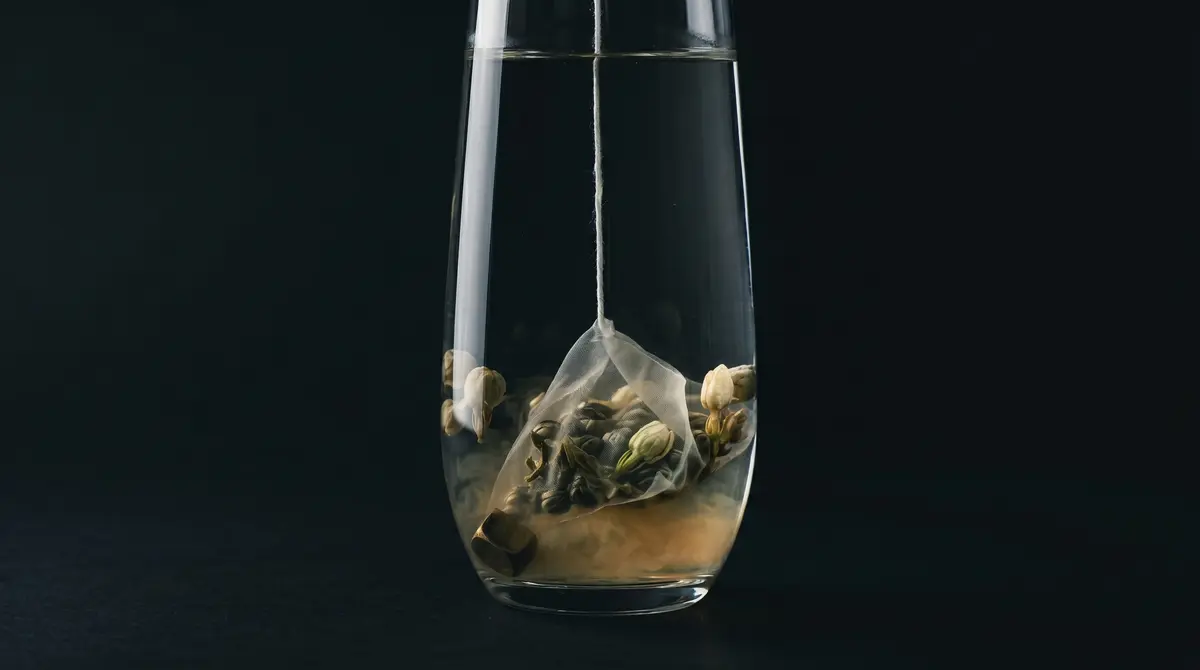
Leaf vs leaf
Green is fresh and grassy. White is soft and quiet.
The short version
White tea is the least processed of the group: withered, dried, done. Green is heated early and often rolled or shaped, so it tastes more vegetal and more assertive. White is sweeter, gentler and easy to over-think. Both want cooler water than black tea, and both reward not leaving the leaf in the pot.
Side by side
What it is
Camellia sinensis
Camellia sinensis
How it is made
Heated early to stop oxidation, then dried
Withered and dried, with almost nothing else done to it
In the cup
Grassy, vegetal, sweet or toasty by origin
Soft, sweet, hay and melon
Body
Light to medium
Light
Caffeine
Contains caffeine; amount varies by product and brew
Contains caffeine; amount varies by product and brew
Water
175°F
175°F
Steep
2-3 min
4-5 min
Re-steeping
A second steep usually holds up
A second steep usually holds up
The straight answer
White tea is withered and dried, giving a soft, sweet cup. Green tea is heated early to stop oxidation, giving a fresher, grassier cup. Our varietal guides start both at 175°F: steep green for 2-3 minutes and white for 4-5 minutes.
Both come from Camellia sinensis. White is left largely unshaped; green is often rolled or pressed after heating. Choose white for a gentler cup or green for a more vegetal one. Neither has a reliable caffeine advantage over the other.
Why it is different
01
Leaf, often buds and young leaves, is left to wither and soften.
02
It is then dried. White tea is not rolled or shaped the way many green teas are.
03
The leaf is pan-fired or steamed soon after picking to halt oxidation, then shaped and dried.
At the table
White tea tends to taste soft and sweet. Green tends to be more vegetal and assertive. Both are usually brewed with cooler water than black tea, and both reward not leaving the leaf in the pot.
Our catalog lists a longer steep window for white tea than for green, so check the product before you set the timer.
Before you buy
Pick green for a clear, fresh cup with some edge. Pick white for something delicate you can drink slowly.
Choose
You want a clear, fresh flavour with some edge.
You want something delicate you can drink slowly.
From the catalog
A portioned green tea for the mug, not the bottle.
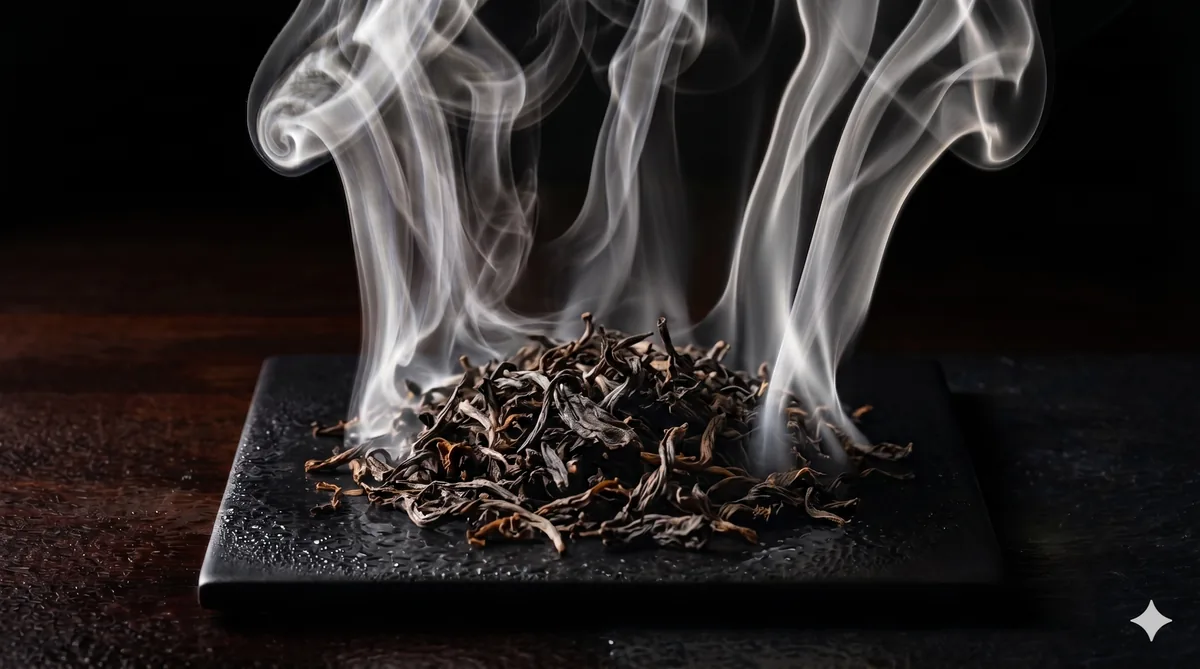
Pan-fired flat. Toasted, sweet, no grass. The Chinese standard.
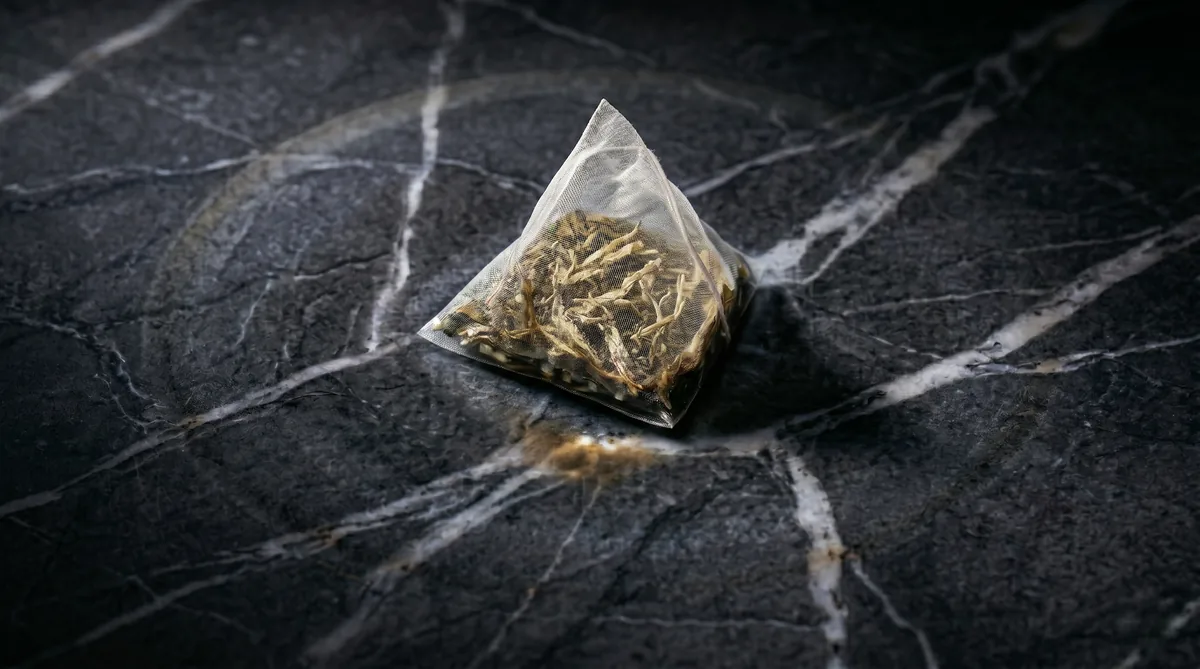
Hand-plucked buds. A delicate cup, with caffeine. Under-brew it on purpose.
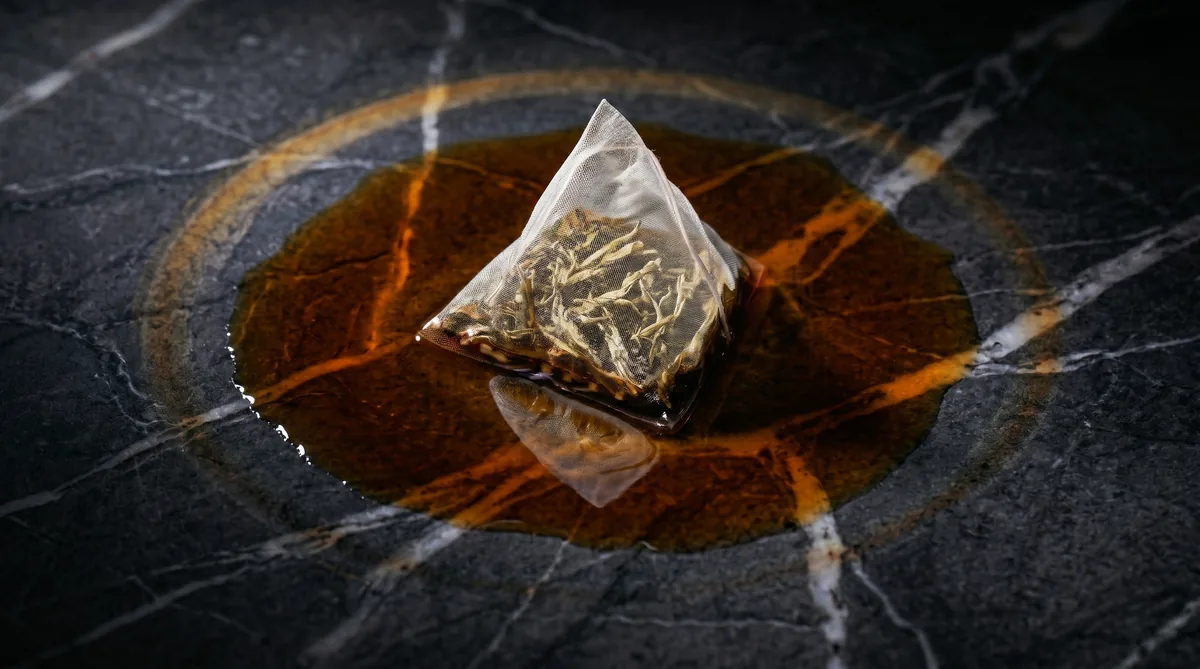
Honey-melon on the first steep. Mineral fade by the third. The daily white.
Brew both
FAQ
Both green and white contain caffeine. Neither style has a reliable fixed rank: product, serving size and brewing change the amount. Check the specific product if the dose matters.
Both are brewed at 175°F in our guides. Green takes 2-3 min; white takes 4-5 min.
Not reliably. White and green teas both contain caffeine, and measured amounts overlap. The specific leaves, serving size and brewing determine the cup; check the product if caffeine matters.
We do not make health claims about tea. Both are minimally oxidized teas from Camellia sinensis, and the practical differences are in flavour, brewing and what the leaf is. Choose by what you will enjoy drinking.
White tea is withered and dried without the early heating and shaping steps used for green tea. The cup tends to taste softer, though it varies by product.
Both usually take cooler water than black tea. Exact numbers vary, so use the temperature on each review or brewing guide rather than a single rule.