Paper bags
Herbal
Yogi Bedtime Herbal Tea (6 x 16 Bags)
Chamomile and passionflower. Ninety-six bags. A seven-minute steep.
Leaf vs leaf
Herbal is a plant. Green is the tea plant, handled gently.
The short version
Herbal tea, properly a tisane, is made from flowers, herbs, fruit or spices rather than the tea plant, so most of it carries no caffeine of its own. Yerba mate and guayusa are herbal infusions that do contain caffeine. Green tea is the tea plant, left unoxidized, and does carry caffeine. If you are choosing for the hour, that is the main difference. Choose herbal for the evening and green for the afternoon.
Side by side
What it is
Not tea: flowers, herbs, fruit, spices
Camellia sinensis
How it is made
Dried and blended
Heated early to stop oxidation, then dried
In the cup
Depends entirely on the plant
Grassy, vegetal, sweet or toasty by origin
Body
Varies by blend
Light to medium
Caffeine
Naturally caffeine-free when no tea or other caffeine source is added
Contains caffeine; amount varies by product and brew
Water
212°F
175°F
Steep
5-10 min
2-3 min
Re-steeping
Depends on the blend
A second steep usually holds up
Choose
You want no caffeine and a flavour you can pick by mood.
You want real tea, with its caffeine, at a gentle strength.
From the catalog
Chamomile and passionflower. Ninety-six bags. A seven-minute steep.
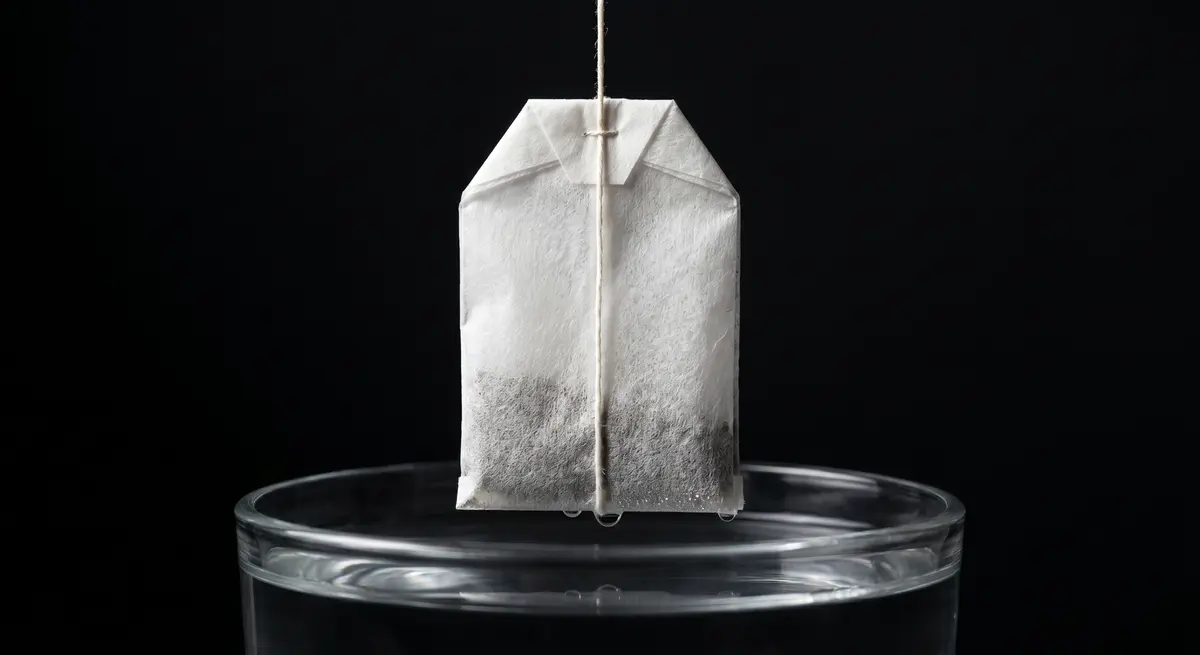
A portioned green tea for the mug, not the bottle.
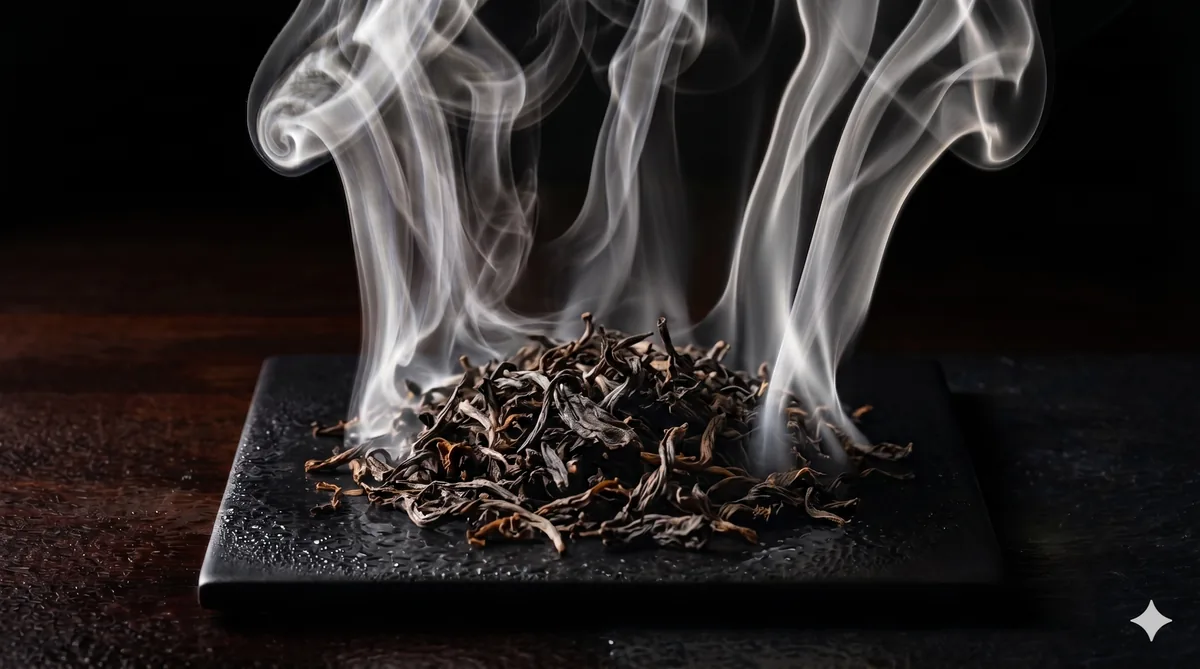
Pan-fired flat. Toasted, sweet, no grass. The Chinese standard.
Brew both
FAQ
Herbal is naturally caffeine-free when plain; Green contains caffeine. Check blend ingredients before choosing a caffeine-free cup.
Herbal is brewed at 212°F for 5-10 min. Green is brewed at 175°F for 2-3 min.
Strictly, no. Tea comes from Camellia sinensis. Herbal teas are tisanes made from other plants, which is why most are caffeine-free. Exceptions are yerba mate and guayusa, which naturally contain caffeine, and blends that add tea or another caffeine source, so check the ingredients.