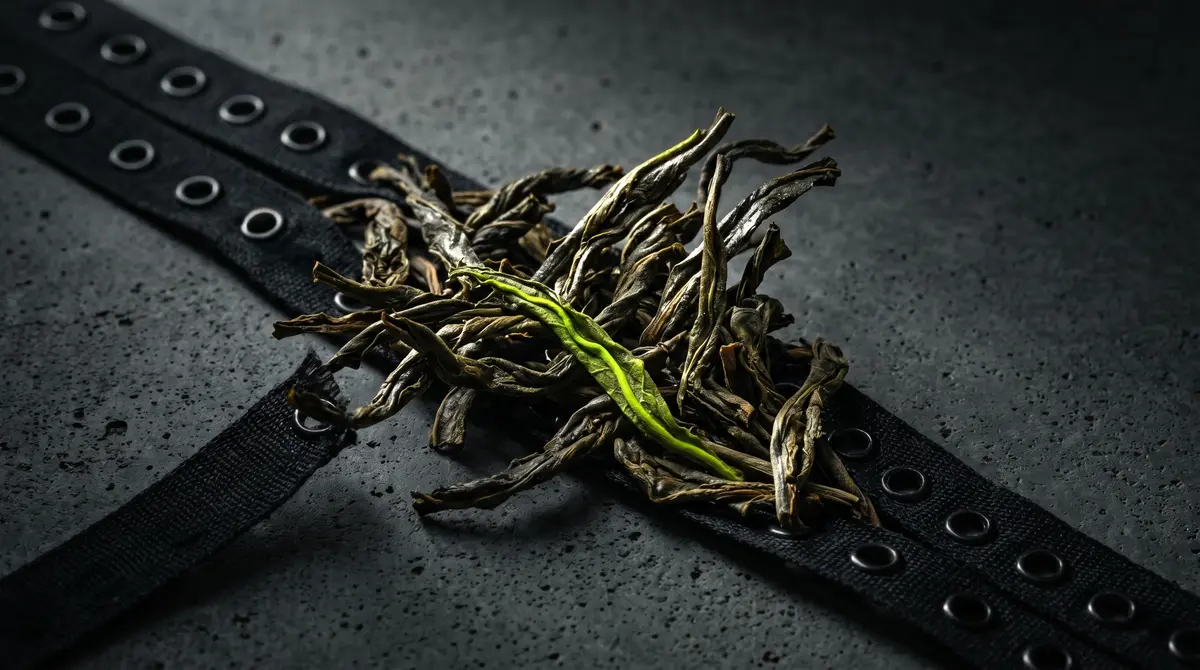
Loose leaf
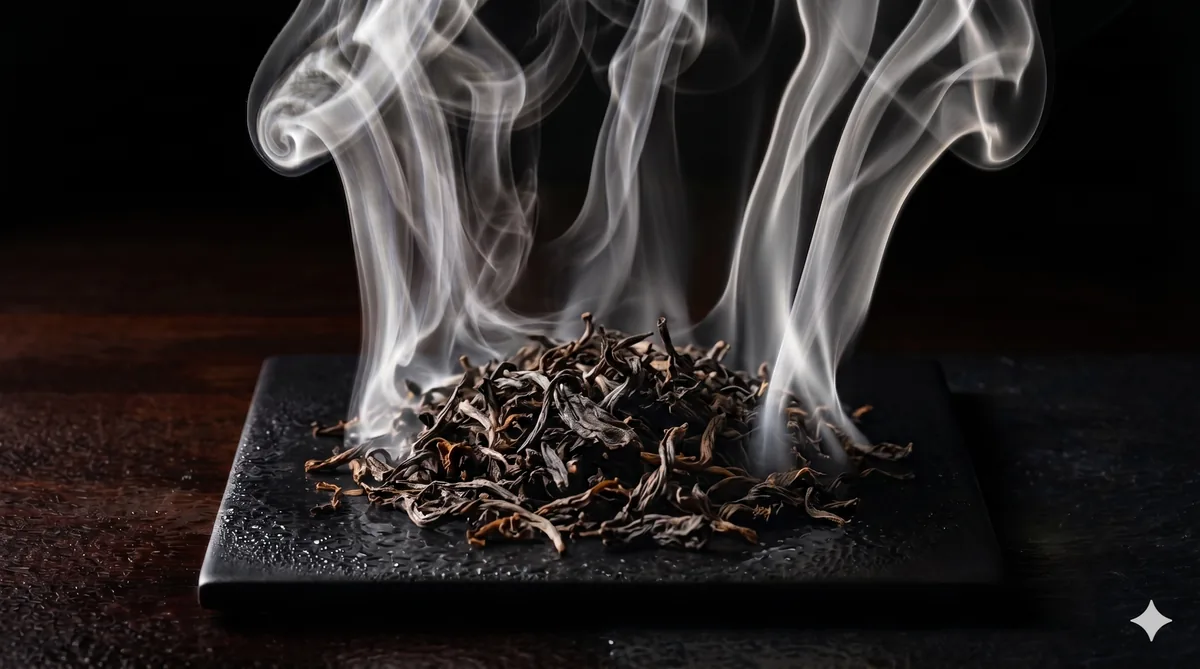
Black
Vahdam Imperial Earl Grey Loose Leaf
Bergamot deep enough to fill the room. The kind of note that lingers.
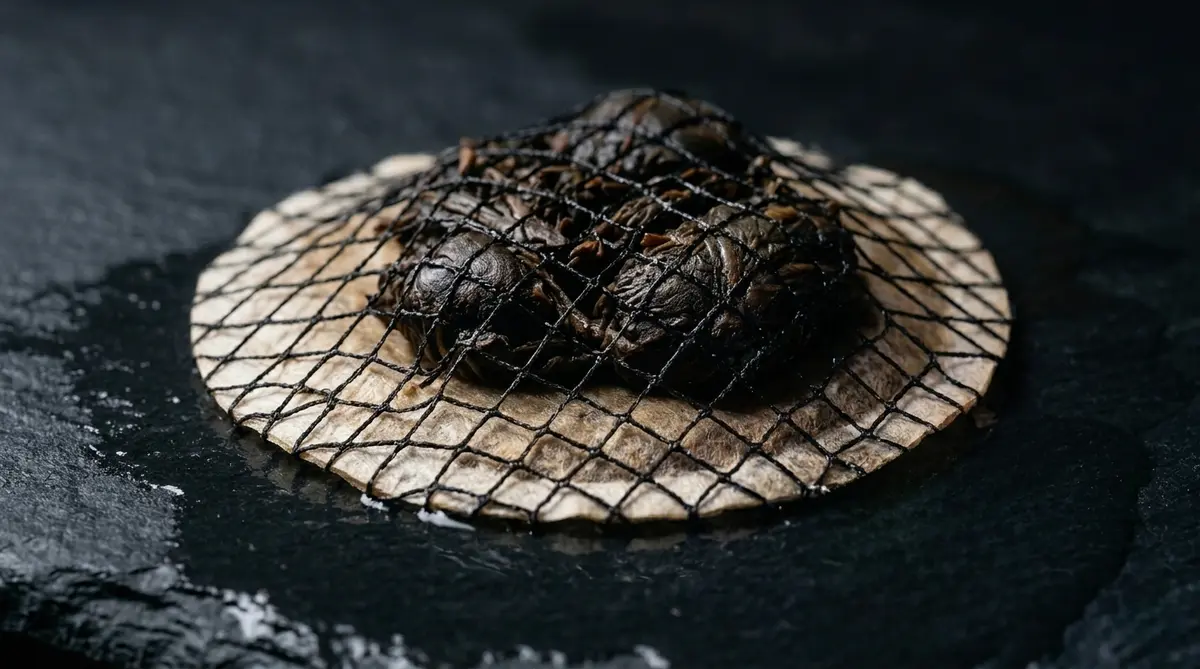
Leaf vs leaf
Black is oxidized and loud. Green is stopped early and clean.
The short version
Both come from the same plant. The difference is what happens to the leaf after picking: black is left to oxidize until it goes dark and malty, green is heated to halt that process and keep the leaf bright. In the cup that means black takes hotter water, a longer steep and milk if you like. Green wants cooler water, a shorter steep and an eye on the clock.
Side by side
What it is
Camellia sinensis
Camellia sinensis
How it is made
Fully oxidized, then dried
Heated early to stop oxidation, then dried
In the cup
Malty, brisk, sometimes fruity or smoky
Grassy, vegetal, sweet or toasty by origin
Body
Full
Light to medium
Caffeine
Contains caffeine; amount varies by product and brew
Contains caffeine; amount varies by product and brew
Water
212°F
175°F
Steep
3-5 min
2-3 min
Re-steeping
Mostly one good steep
A second steep usually holds up
The straight answer
Black tea and green tea are both made from Camellia sinensis. Nothing about the bush decides which one you get; what the maker does in the hours after picking does.
Oxidation is the whole story. Bruised leaf left in contact with air turns dark and develops a malty, brisk character. Heat stops that process early, which keeps the leaf green and the cup fresh.
Why it is different
01
Both start the same way: fresh leaf is picked and left to soften so it can be handled without breaking.
02
The softened leaf is rolled or broken, then rested until it darkens. This is the oxidation that gives black tea its colour and body.
03
Green tea makers apply heat, by pan-firing or steaming depending on the tradition, to halt oxidation before the leaf darkens.
04
Both are dried to be stored. Black leaf is dark and often twisted or broken; green leaf is olive to bright green and may be flat, rolled or needle-shaped.
At the table
Black tea takes hotter water and a longer steep, and it holds up to milk and sugar. Green tea gets bitter faster, so it wants cooler water and a shorter steep.
The exact temperature and window depend on the product, so we list them on each review and in the brewing guides. If you only change one habit when moving from black to green, drop the water temperature.
Before you buy
If you drink tea for a strong morning mug, start with black. If you want something lighter that you will watch the clock for, start with green. Both categories include teas that break these rules, so read the product page.
Choose
You want a strong, forgiving cup that holds up to milk, sugar or a long steep.
You want something lighter and brighter, and you will watch the timer.
From the catalog
Bergamot deep enough to fill the room. The kind of note that lingers.
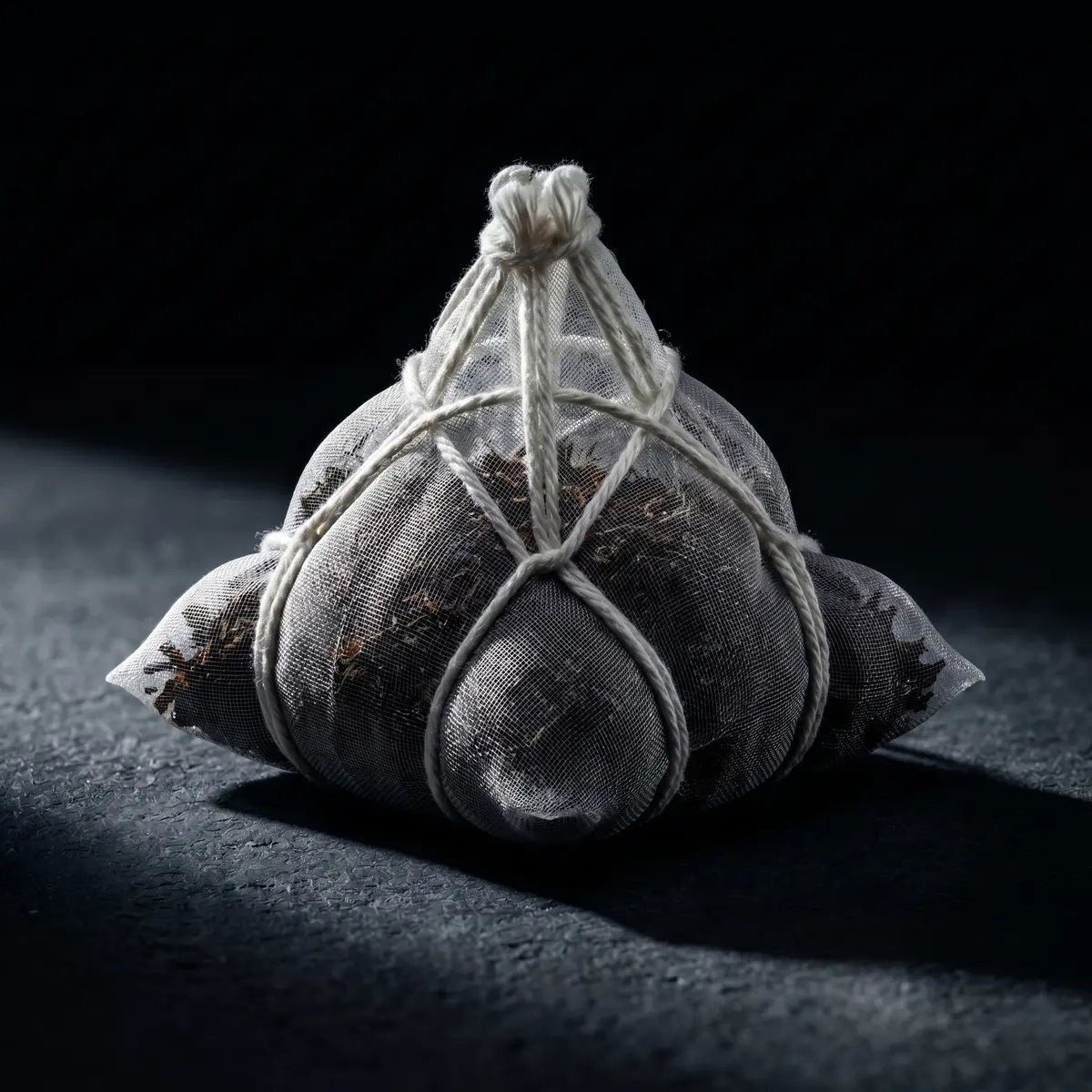
No sugar in the tin. Tastes like there is. People hoard it.
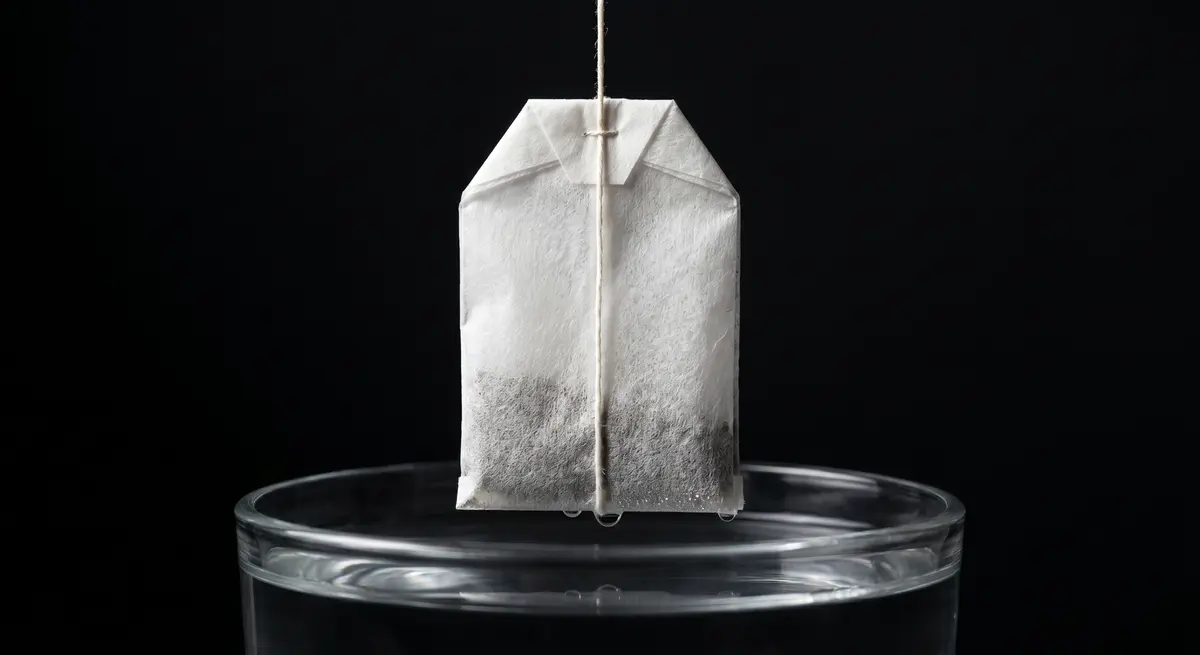
A portioned green tea for the mug, not the bottle.
Pan-fired flat. Toasted, sweet, no grass. The Chinese standard.
Brew both
FAQ
Both black and green contain caffeine. Neither style has a reliable fixed rank: product, serving size and brewing change the amount. Check the specific product if the dose matters.
Black is brewed at 212°F for 3-5 min. Green is brewed at 175°F for 2-3 min.
You can, but it is the fastest way to a bitter cup. Green leaf is processed to stay delicate, so cooler water and a short steep keep the sweetness. Black tea takes boiling water without complaint.
Black tea usually tastes stronger and fuller. Taste is not the same as caffeine: both contain it, amounts overlap, and the leaf, serving size and brew all change the result. We do not claim a fixed number for either.
Not once it is made. The difference is set during processing, when the maker either lets the leaf oxidize or heats it to stop that. A finished green tea stays green however you brew it.
Black tea is more forgiving: hot water and a few minutes rarely go badly wrong. Green tea rewards attention to temperature and time. Neither is difficult once you have a timer.