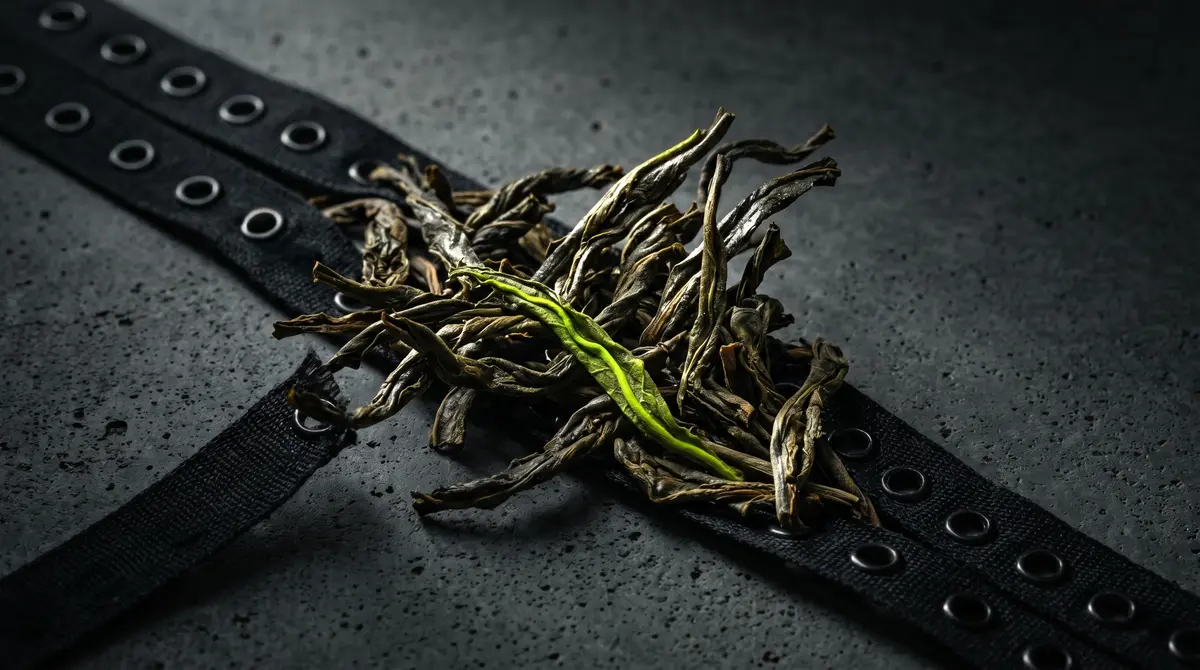
Loose leaf
Black
Vahdam Imperial Earl Grey Loose Leaf
Bergamot deep enough to fill the room. The kind of note that lingers.
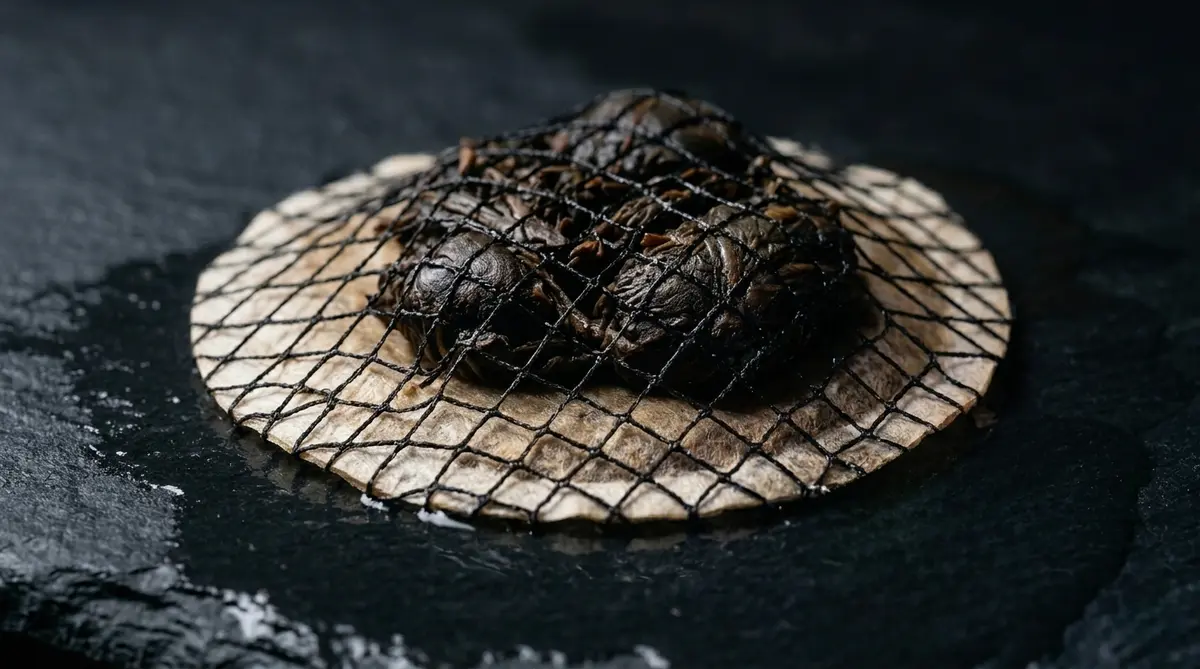
Leaf vs leaf
Black is the daily driver. Oolong is the slow afternoon.
The short version
Black tea is fully oxidized and built for one good cup: hot water, a few minutes, a bold mug. Oolong is only partly oxidized and takes a similar steep time, but the same leaf can be re-steeped again and again, with a wider range of flavour from floral to roasted. If you drink tea for a reliable mug, buy black. If you drink it to pay attention, buy oolong.
Side by side
What it is
Camellia sinensis
Camellia sinensis
How it is made
Fully oxidized, then dried
Partly oxidized, bruised, rolled or twisted
In the cup
Malty, brisk, sometimes fruity or smoky
Floral and creamy through to roasted and mineral
Body
Full
Medium
Caffeine
Contains caffeine; amount varies by product and brew
Contains caffeine; amount varies by product and brew
Water
212°F
195°F
Steep
3-5 min
3-5 min
Re-steeping
Mostly one good steep
Built for several steeps
The straight answer
Black tea and oolong both come from Camellia sinensis. Black tea is oxidized fully, until the leaf is dark. Oolong is oxidized only part of the way, so it sits somewhere between green and black.
Where an oolong lands depends on the maker. Some are close to green: floral and light. Others are heavily oxidized or roasted and taste nearer to black tea.
Why it is different
01
The leaf is rolled or broken to start oxidation and left until it turns dark and malty, then dried.
02
The leaf is bruised and rested, and the maker stops oxidation partway by firing it. The point at which they stop shapes the cup.
03
Many oolongs are rolled into balls or twisted into strips, which is why the leaf unfurls over several infusions.
At the table
Both take fairly hot water and a few minutes. The practical difference is what you do next. Black tea is usually brewed once and finished, often with milk. Oolong is the one to pour again, and the cup can change from steep to steep.
Classic roasted oolongs can take a little milk, but lighter, floral ones are better left alone.
Before you buy
Choose black for a dependable daily mug. Choose oolong when you want to slow down and notice what changes. If you are not sure, a roasted oolong is the closest step from black.
Choose
You want a bold, dependable mug with no ceremony.
You want to sit with it and pour it again.
From the catalog
Bergamot deep enough to fill the room. The kind of note that lingers.
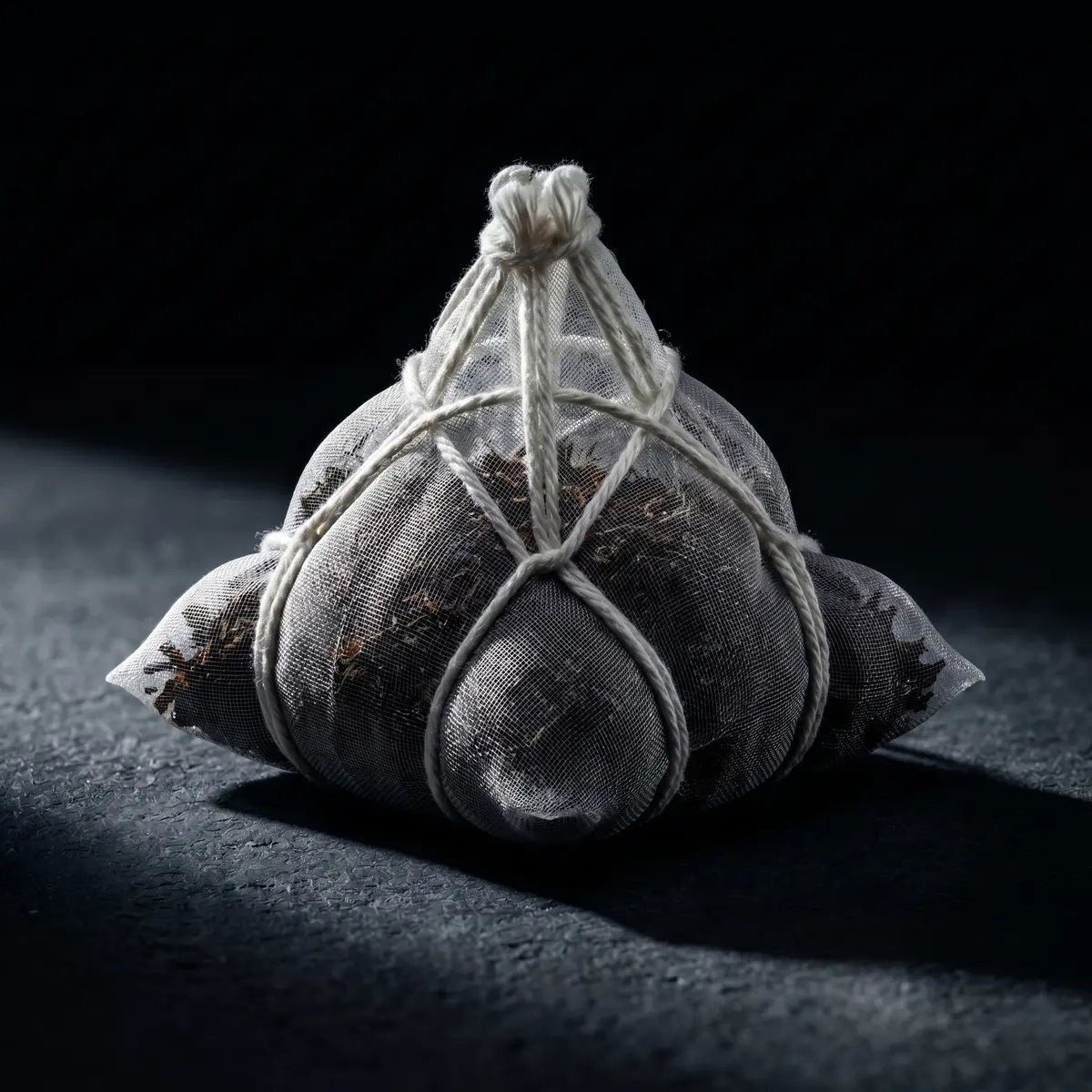
No sugar in the tin. Tastes like there is. People hoard it.
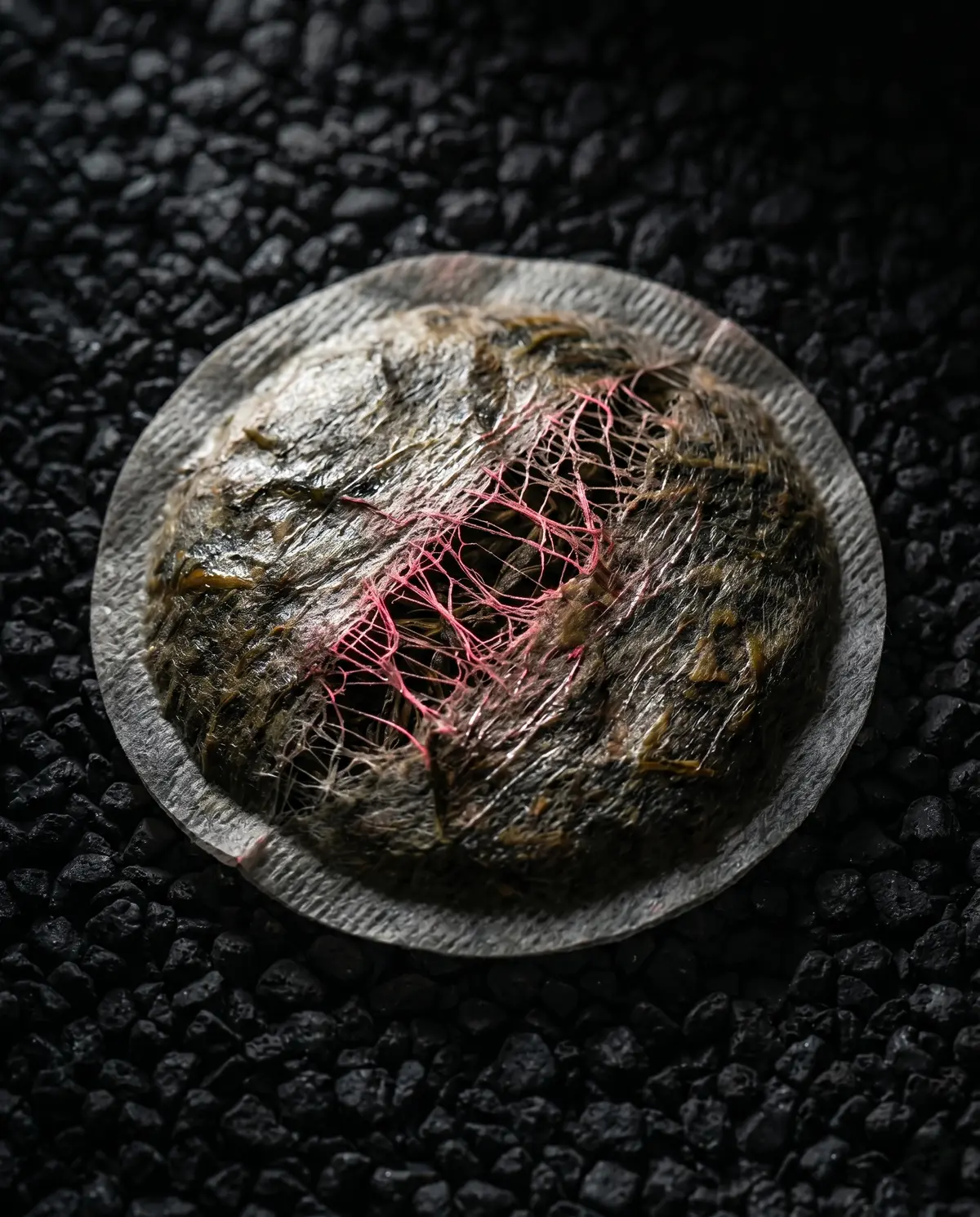
Re-steep it three times. Each one tells a different story.

Orchid on the first steep. Biscuit on the third. Five-plus rounds if you respect it.
Brew both
FAQ
Both black and oolong contain caffeine. Neither style has a reliable fixed rank: product, serving size and brewing change the amount. Check the specific product if the dose matters.
Black is brewed at 212°F for 3-5 min. Oolong is brewed at 195°F for 3-5 min.
Some do. Milk oolong is named for its creamy character rather than added milk. Classic roasted oolongs can take a splash, but lighter, floral ones are better left alone.
No. Both are made from Camellia sinensis, but black tea is fully oxidized and oolong is only partly oxidized. Heavily oxidized oolongs can taste close to black tea, but they are a separate category.
There is no reliable rule. Both contain caffeine, and the leaf, serving size and steep time all change the amount, so we do not give a fixed number for either.
You can, but most black tea gives its best cup first and thins out quickly. Oolong is built for repeated steeps, and a roasted or rolled leaf tends to hold up better across them.