The chart
Time, temperature, patience.
Two minutes too long and it's a different cup entirely. The math below is the math that works, give or take a degree, give or take thirty seconds. Save it. Print it. Put it where the kettle is.
| Leaf | Temp | Steep | Caffeine |
|---|---|---|---|
Black Full-bodied. Boldly brewed. Built for the morning mug. | 212°F | 3-5 minStart a timer | high |
Green Vegetal, grassy, occasionally sweet. Gyokuro to sencha to gunpowder: every type reviewed. | 175°F | 2-3 minStart a timer | medium |
Oolong The middle ground. Half-oxidized. Built for re-steeping. | 195°F | 3-5 minStart a timer | medium |
White The most delicate of all. Hand-plucked buds. Under-brew on purpose. | 175°F | 4-5 minStart a timer | low |
Pu-erh Aged, fermented, earthy. The bottle of wine of the tea world. | 212°F | 15 sec, multi-steepStart a timer | medium |
Matcha Stone-ground, shade-grown, whisked. Ceremonial to culinary: every grade reviewed. | 175°F | 20s whiskStart a timer | high |
Herbal No camellia sinensis. No caffeine. All ritual. | 212°F | 5-10 minStart a timer | none |
Rooibos South African red bush. Never bitter, no matter how long. | 212°F | 5-10 minStart a timer | none |
Chai Black tea armored with cinnamon, cardamom, ginger, pepper. | 212°F | 8 minStart a timer | high |
Samplers Drink through the wall once. Find the one you keep. | varies | varies | medium |
First principle
Cooler water for younger leaves.
Black and pu-erh take a full boil. They've been oxidized and fermented; rolling water doesn't intimidate them. White, green, and the more delicate oolongs ask for less: 175 to 195°F. Boil the water, take the kettle off, count to forty. That's close enough.
Second principle
Set a timer. Always.
The difference between a balanced cup and an astringent one is almost always 60 to 90 seconds of inattention. The leaf doesn't know you got a phone call. The leaf just keeps releasing tannins. Set a timer. Hit it.
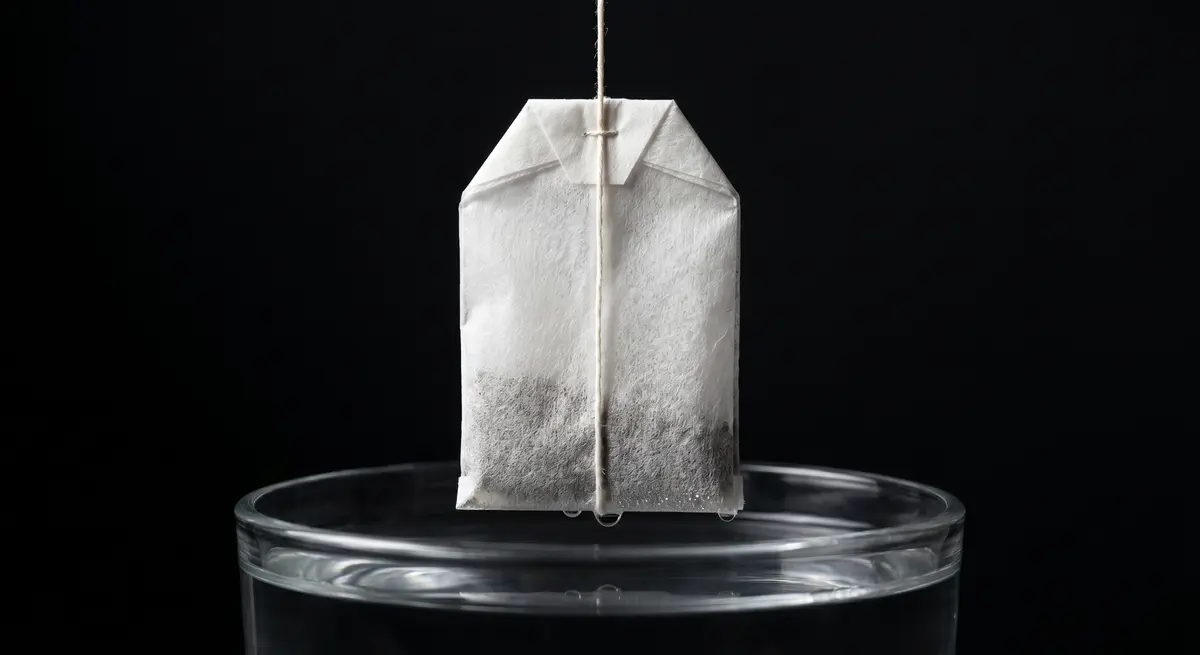
Bagged tea: fast, convenient, broken-leaf.
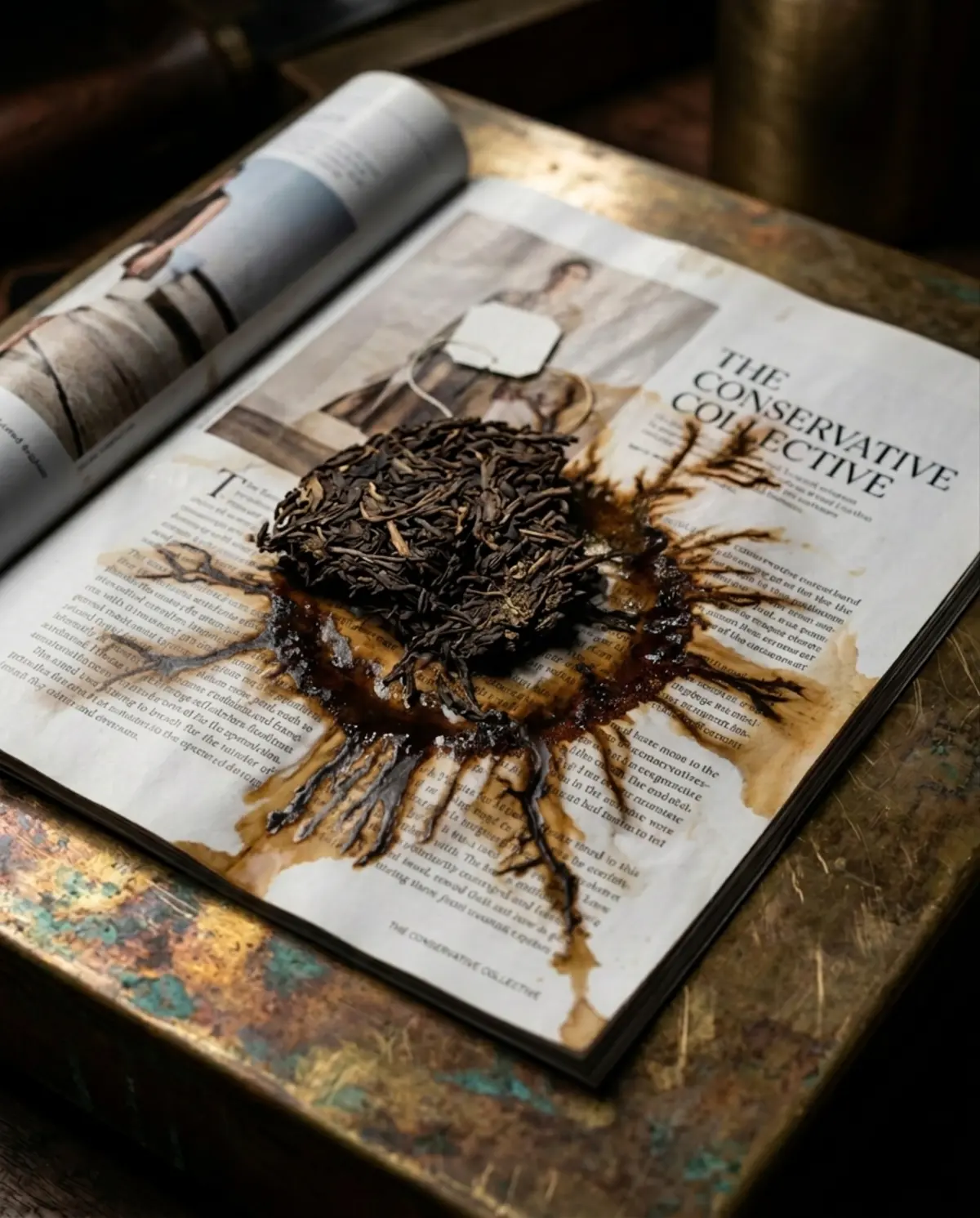
Loose leaf: whole leaves, longer brew, multi-steep.
Bagged vs. loose leaf: the difference shows up in the cup.
Third principle
Loose leaf, every time you can.
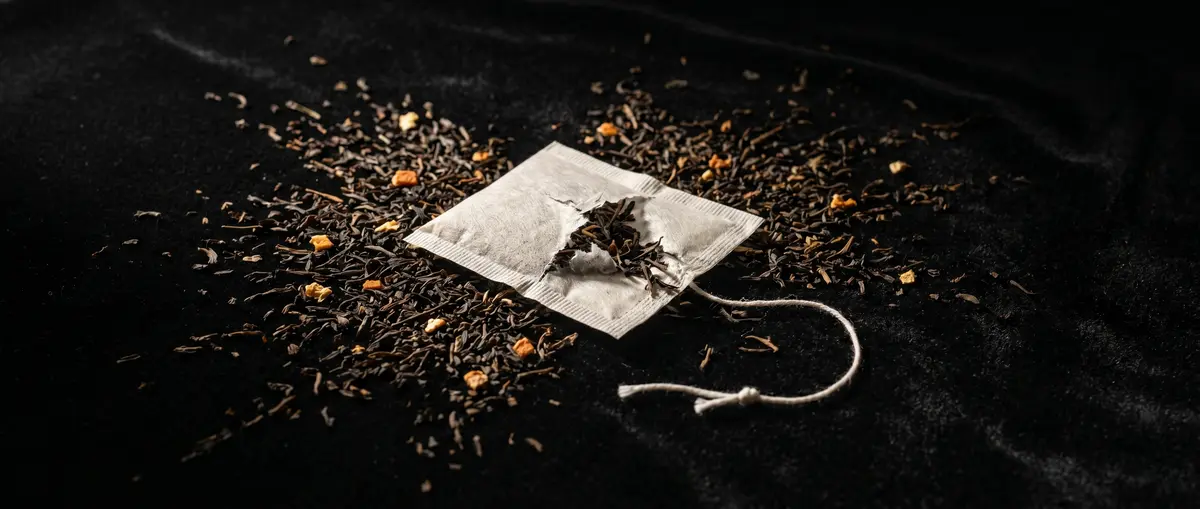
Bagged tea is dust: broken leaves with the surface area to release flavor fast and the nuance to release bitterness right behind it. Whole leaves take longer, hold up to re-steeping, and reward attention. The difference is real. Abasket infusercosts ten dollars and removes the only reason most people stick with bags.
Rule of thumb
If the cup tastes harsh, the water was too hot or the leaves stayed in too long. If the cup tastes thin, the water was too cool or the leaves came out too soon. That's almost the entire game.
Go deeper
The methods, one at a time.
Water
Minerality, source, temperature.
Tea is 99% water. The water you use matters more than the tin you bought.
Read the guide →
Gongfu cha
Small vessel. Short pours. Many cups.
The Chinese method that turns one scoop of oolong into a slow evening.
Read the guide →
Matcha
Usucha, koicha, and the whisk.
Powder, hot water, wrist. The two whisked styles and how to keep them from going bitter.
Read the guide →
Cold brew
Cold water. Long wait. No bitterness.
The summer method. Twelve hours in the fridge and almost impossible to oversteep.
Read the guide →
Pu-erh
Wake the leaf twice.
The only tea that's aged on purpose. Two rinses, boiling water, ten infusions, and the cup at steep five is the cup you bought the cake for.
Read the guide →
Storage
Keep the leaves alive.
Light, air, heat, moisture, and the wrong neighbours: the five things that kill a tin, and the shelf life table for every leaf.
Read the guide →
Iced tea
Double strength. Pour over ice.
The flash-chill method: not cold brew, not room-temp tea dumped in a glass. Hot concentrate over ice: the cup that finishes itself.
Read the guide →
By varietal
One leaf at a time, with timer and temperature.
Black
Boiling water. Three minutes. Don't blink.
Assam, Darjeeling, Earl Grey, Keemun. The full-boil window and the difference between three and five minutes.
Green
175°F, two minutes, no boiling.
Sencha, dragonwell, jasmine pearls, hojicha. The temperature is the whole game.
Oolong
Half-oxidized. Many-infused.
Ti Kuan Yin, Da Hong Pao, Milk Oolong. The gongfu method and six cups from one scoop.
White
The lightest leaf. The longest wait.
Silver needle, white peony, jasmine silver. Under-brew on purpose, but not by as much as you think.
Chai
Black tea, armored. Cardamom, simmered in milk.
The stovetop method: water, spice, leaf, milk, and the five-minute teabag shortcut.
Rooibos
The one tea that can't be over-steeped.
South African red bush. No caffeine, no tannins, no timer required.
Herbal
No leaf. No caffeine. All ritual.
Chamomile, peppermint, hibiscus, ginger, turmeric. Brewed by category: flowers fast, roots slow, always covered.
FAQ
Brewing, answered.
What temperature should I brew tea at?+
It depends on the leaf. Black, pu-erh, and herbal teas take a full boil (212°F). Oolong wants about 195°F, and green and white teas brew best around 175°F. Boiling water scorches them and turns them bitter.
How long should I steep tea?+
Black tea 3–5 minutes, green 2–3 minutes, white 4–5 minutes, oolong 3–5 minutes, and herbal and rooibos 5–10 minutes. Pull the leaf at the end of the window rather than leaving it in the cup, or the later sips turn astringent.
Why does my tea taste bitter?+
Bitterness comes from water that's too hot or leaves left in too long. If the cup tastes harsh, lower the temperature or shorten the steep. If it tastes thin, the water was too cool or the leaves came out too soon.
Is loose-leaf tea better than tea bags?+
Usually, yes. Bags hold broken leaf and dust, which brews fast but releases bitterness right behind the flavor. Whole loose leaf brews more slowly, holds up to re-steeping, and tastes cleaner. A ten-dollar basket infuser is all you need to switch.
How much tea should I use per cup?+
A rough rule is one teaspoon of loose leaf (about 2–3g) per 8oz cup. Use a little more for large or fluffy leaves like white tea, and for gongfu brewing where you steep many short infusions.