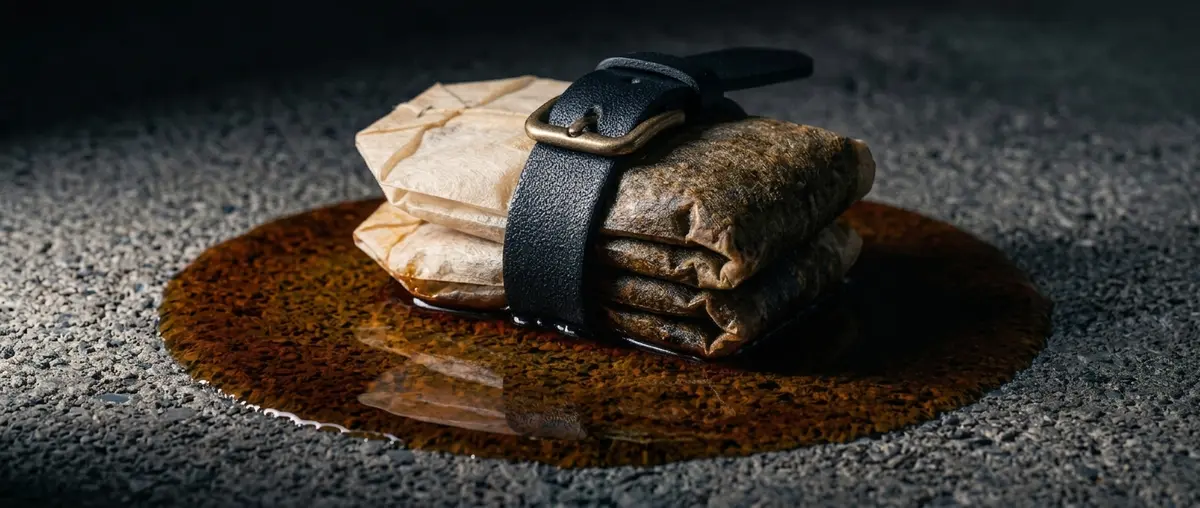
Brewing / Black
Boiling water. Three minutes. Don't blink.
Black tea is the only varietal that wants the kettle at a full rolling boil and the leaf kept under it long enough to ask something back.
The premise
Black tea is fully oxidized: the leaf was bruised, rolled, and left to turn the colour of mahogany before it was dried. That oxidation is also what makes it heat-proof. Where agreen scorches at 200°F and awhite closes up at 195, a black tea wants 212°F flat. Anything cooler and you'll under-extract the leaf: the cup will read thin, slightly sour, never quite finished. Boil hard. Pour fast.
Temp
212°F
Time
3–5 min
Leaf
1 tsp / 8oz
Re-steeps
1–2
The timer
Set it, then walk away.
Style
Steep 1
3:00
Ready.
- Water
- 212°F / 100°C
- Leaf
- 1 tsp / 8oz
The muscatel lives in the first three minutes. Past that it goes tannic.
Open it full screen, or keep it on your phone: the steep timer works offline.
The window by style
Three minutes is a different cup for every leaf.
The 3-to-5 minute window covers everything, but where you land inside it depends on what you bought.
Assam & English Breakfast: 4 minutes.Strong, malty, designed to take milk. AVahdam Assam or aTazo Awakebrewed under four minutes will read flat. Push it.
Darjeeling: 3 minutes. The muscatel grape note lives in the first three minutes and then leaves. Afirst-flush Darjeeling over-steeped goes sharply bitter. Set the timer.
Earl Grey & flavoured: 3 to 4 minutes.Bergamot lifts off above four minutes and the cup turns soapy. AVahdam Earl Greyor Lady Grey wants the shorter end.
Keemun, Yunnan, Lapsang: 4 to 5 minutes.Chinese blacks are denser, slower-releasing. AKeemun orYunnan Dian Hongwants the full five: the cocoa and stone-fruit notes don't show until then.
Pyramid bags: 3 minutes flat. The leaf is already broken and surfaces faster.PG Tips,Yorkshire Gold, sachets from Harney: three minutes is the cup. Past that, the bag goes harsh.
The sequence
Boil it. Warm the pot. Time it.
- 01.Fresh cold water to a full boil. Re-boiled water has the dissolved oxygen cooked out of it, and the cup will taste like it. Avariable-temp kettle isn't strictly required for black: any kettle that gets to 212°F works.
- 02.Warm the vessel. A splash of boiling water into theteapot or mug. Swirl. Dump. Skip this step and you've already lost 15°F before the leaf sees water.
- 03.1 teaspoon per 8oz, plus one for the pot.Use aninfuser basket with room for the leaf to expand. A tight tea ball strangles a black tea: the leaves want to unfurl.
- 04.Pour, cover, set the timer. Cover the pot or mug: heat retention is the difference between a four-minute brew and a four-minute cooldown. Timer non-negotiable. Black tea forgives a lot. It does not forgive seven minutes.
- 05.Strain completely. Pull the basket. Lift the bag. Leaving leaf in the cup turns a five-minute brew into a fifteen-minute one by the time you're halfway through it.
What goes wrong
Bitter and drying. Steeped too long. Black tannins peak around six minutes and then bulldoze everything else. Pull the leaf at the first hint and start the clock tighter next time.
Thin, slightly sour. Water wasn't actually boiling. A kettle that clicked off thirty seconds ago has already dropped to ~195°F. Pour the moment it boils.
Flat second cup from the pot. The leaf has been sitting in cooling water for half an hour. Western-brew black isn't built for re-steep: drain the pot into a thermos if you want to nurse it.
Cloudy when iced. Tea cream, harmless, cosmetic. Caused by tannins binding as the brew cools rapidly. Brew double-strength hot and pour straight over ice to skip it, or use acold-brew bottle instead.
Milk, sugar, lemon
The British answer for Assam, Ceylon, English Breakfast: a splash of whole milk poured into the cup first, tea over it. Milk for malty blacks, lemon for bright single-origins like Darjeeling, never both at once unless you want curdle. Sugar is taste. Honey thickens the body and reads better with smoky blacks likeLapsang Souchong. Chinese blacks (Keemun, Yunnan) are usually taken neat. So is a goodMarco Polo.
House note
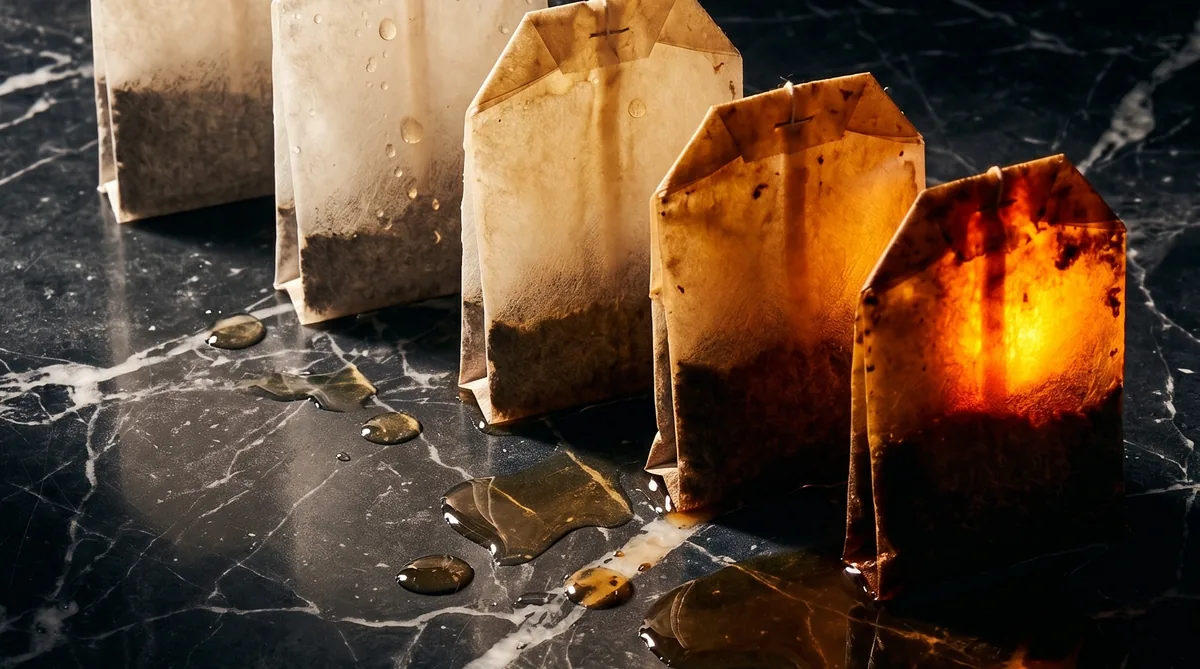
The leaf has been waiting in the tin all morning. Boiling water. Three minutes. That's the whole job.