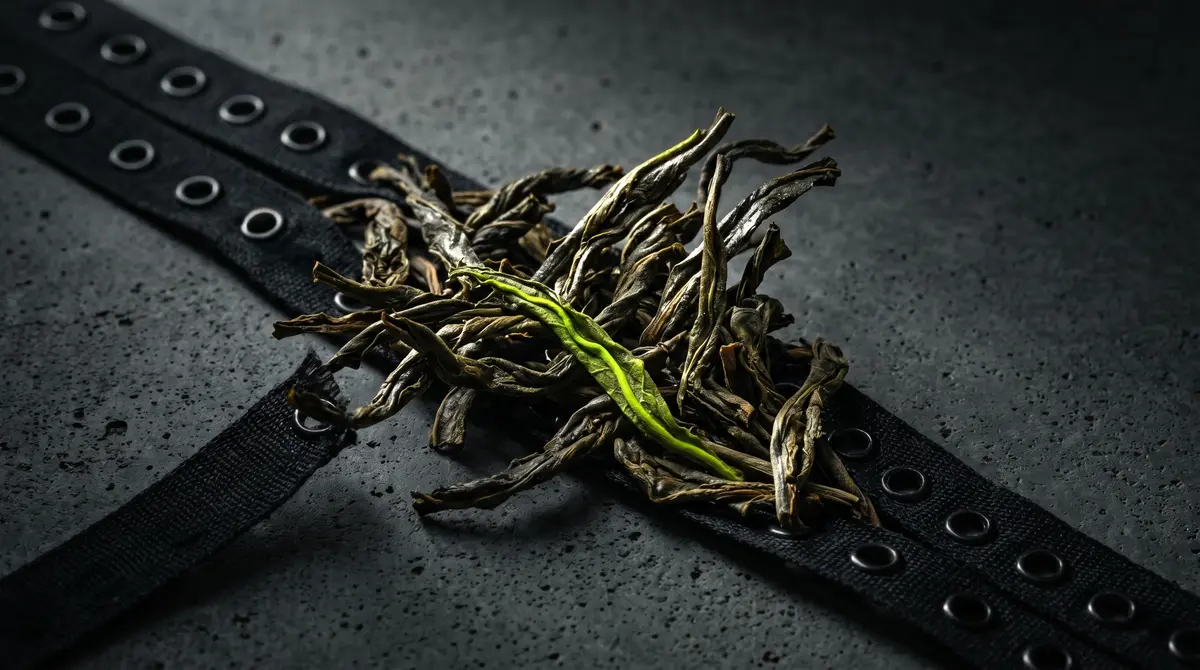
Loose leaf
Black
Vahdam Imperial Earl Grey Loose Leaf
Bergamot deep enough to fill the room. The kind of note that lingers.
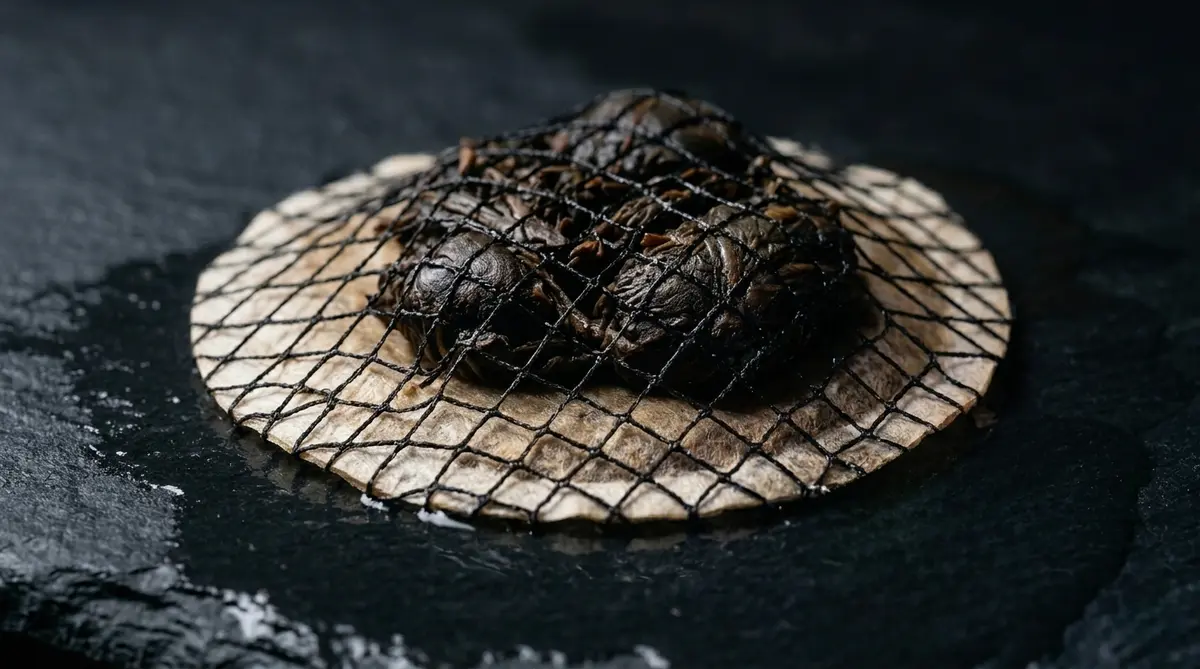
Leaf vs leaf
Black is oxidized. Pu-erh is fermented and aged.
The short version
People call both "dark tea", but they are made differently. Black tea is oxidized and dried, then sold young. Pu-erh is fermented or aged after drying, often pressed into a cake, and tastes earthy and smooth rather than malty and brisk. Pu-erh also takes many short steeps instead of one long one, so it rewards a gongfu-style approach.
Side by side
What it is
Camellia sinensis
Camellia sinensis
How it is made
Fully oxidized, then dried
Fermented or aged after drying, often pressed into cakes
In the cup
Malty, brisk, sometimes fruity or smoky
Earthy, woody, smooth; older cakes run deeper
Body
Full
Full
Caffeine
Contains caffeine; amount varies by product and brew
Contains caffeine; amount varies by product and brew
Water
212°F
212°F
Steep
3-5 min
15 sec, multi-steep
Re-steeping
Mostly one good steep
Many short steeps
Choose
You want a bold, familiar mug with milk or sugar if you like.
You want earthy, smooth and a reason to keep the kettle on.
From the catalog
Bergamot deep enough to fill the room. The kind of note that lingers.
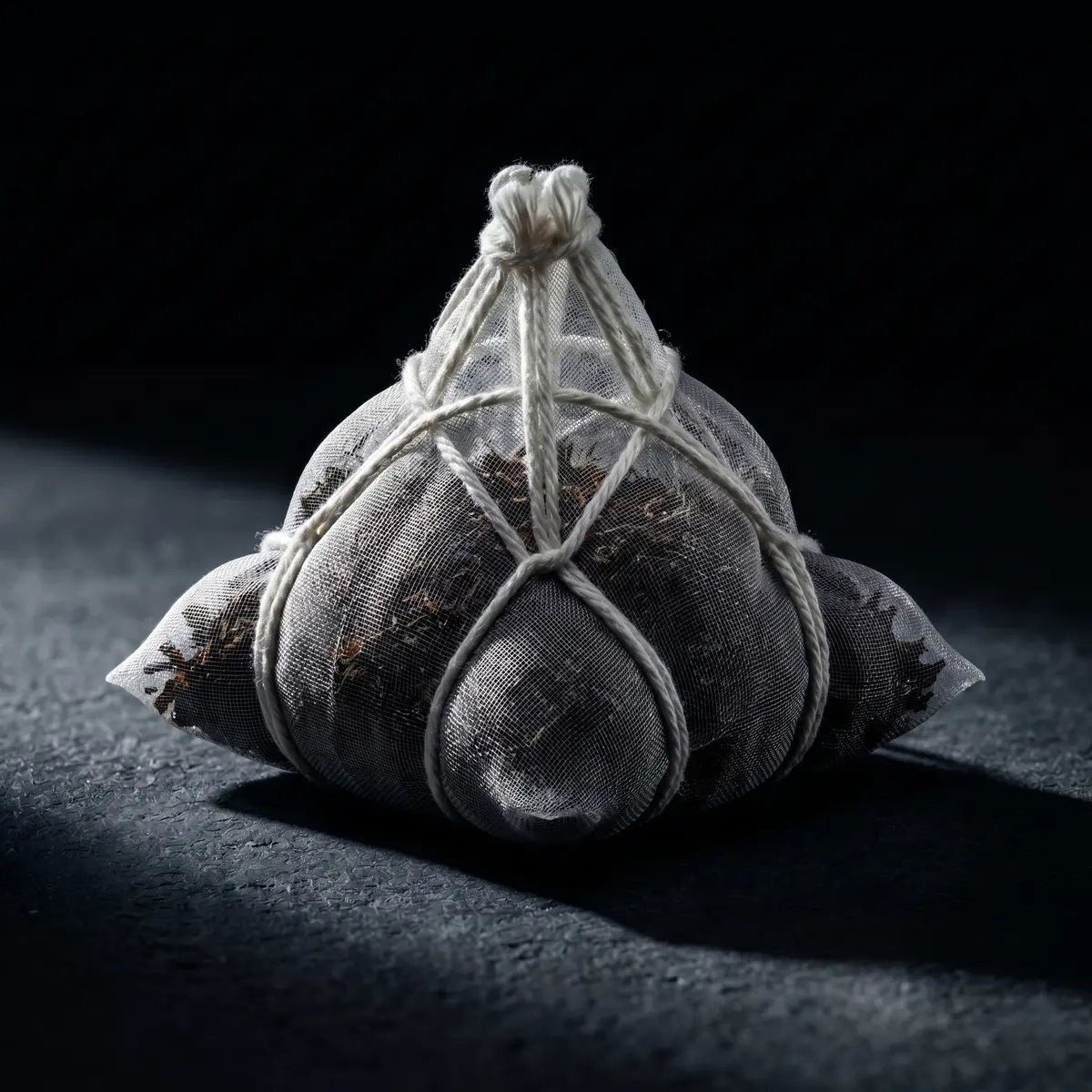
No sugar in the tin. Tastes like there is. People hoard it.
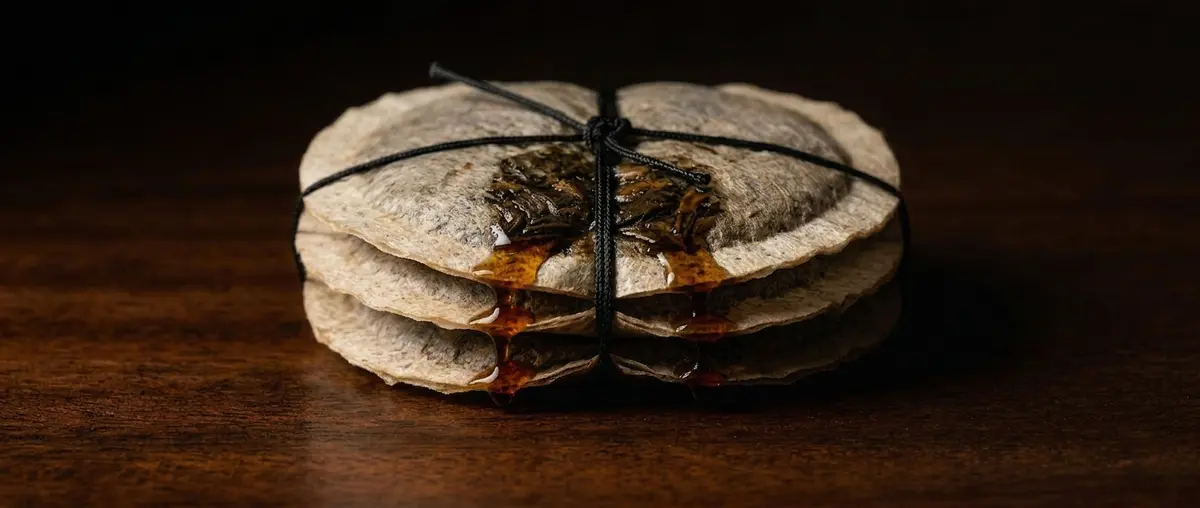
Dark, earthy, ready now. The pu-erh that skips the five-year wait.
Brew both
FAQ
Both black and pu-erh contain caffeine. Neither style has a reliable fixed rank: product, serving size and brewing change the amount. Check the specific product if the dose matters.
Both are brewed at 212°F in our guides. Black takes 3-5 min; pu-erh takes 15 sec, multi-steep.
Many drinkers do a quick rinse of the compressed leaf to wake it up before the first cup. Black tea does not need one. See the pu-erh brewing guide for the method we use.