Pleasures · Digestion
Tea for Digestion
For the cup that comes after the plate.
The short answer
After a heavy meal, peppermint is the go-to: it relaxes the digestive tract and eases bloating. Pu-erh, the aged tea traditionally drunk after rich Chinese food, cuts through fat. Both work within 20 minutes. Brew peppermint 4–5 minutes; pu-erh after a quick rinse of the leaf.
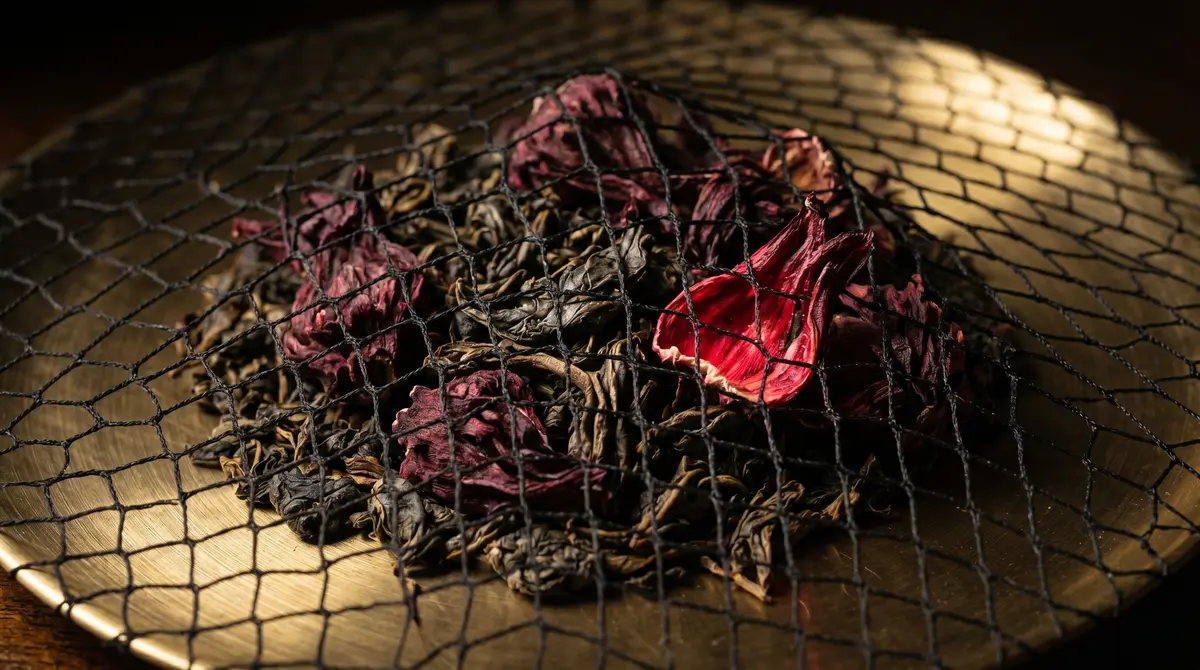
The after-dinner shelf. Peppermint settles, pu-erh cuts through the richness, and a roasted green keeps it gentle enough for a late hour.
 01Start herePaper bags
Twinings Pure Peppermint Herbal Tea (100 ct)
Peppermint relaxes the gut. The most efficient digestif in any cupboard, cheaper than the wine you had with dinner.
 02After a heavy mealLoose leaf
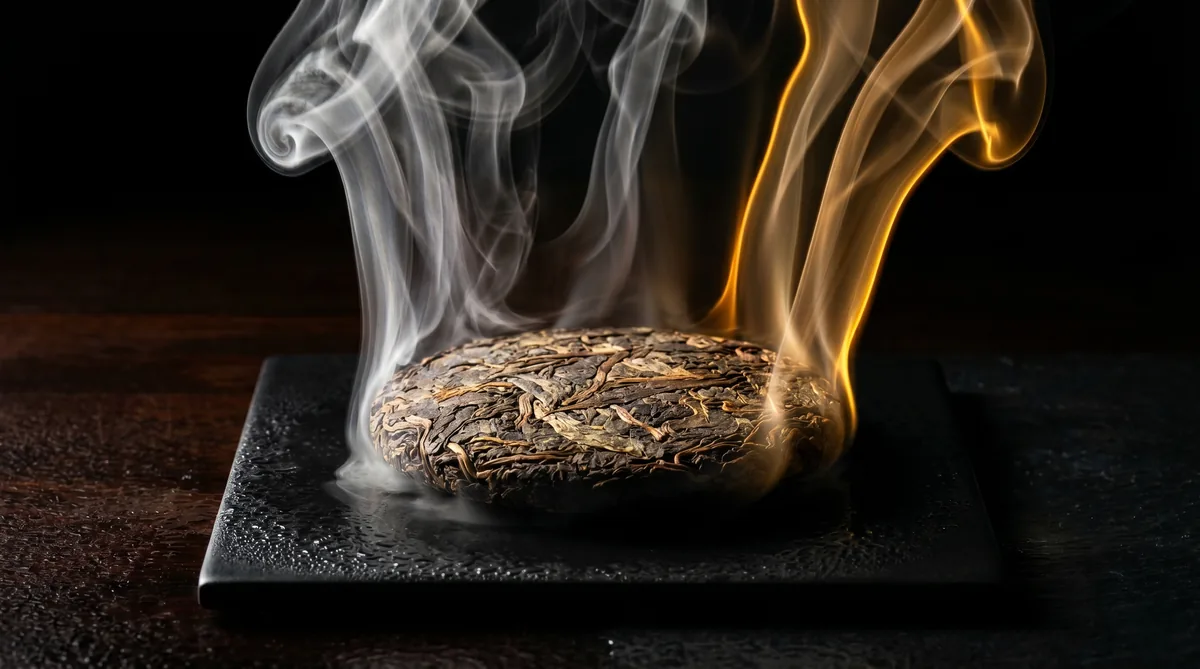
Foojoy Pu-erh Mini Tuocha Cakes
Aged, fermented, earthy: the classic post-feast cup across China, and it cuts through rich food.
 03Gentle + low-caffeineLoose leaf
Ippodo Kuradashi Hojicha (80g Bag)
Roasted green, almost no astringency, easy on the stomach. A cup at ten won't argue with sleep.
 04Spiced + caffeine-freePaper bags
Numi Organic Rooibos Chai
Ginger and cardamom carry warmth without the kick. Soothes after a spice-heavy plate.
House rule
We rank what we'd actually pour. The order is ours; the order you buy in is yours.
FAQ
Questions, answered.
What tea is best after eating?+
Peppermint and ginger teas ease digestion and bloating, while pu-erh is the traditional after-meal tea for cutting through rich, fatty food. All three are best drunk warm, about 15–20 minutes after eating.
Does peppermint tea help with bloating?+
Yes. Menthol in peppermint relaxes the smooth muscle of the digestive tract, which can relieve gas and bloating. It's caffeine-free, so it works as a digestif at any hour.
Is pu-erh good for digestion?+
Pu-erh is fermented and has been the customary after-meal tea in southern China for centuries, valued for cutting greasiness. Rinse the leaf once with hot water before brewing, then steep short and often.